
What is a microforest?
A microforest is a new forest created on a site which is bare or where the original ecosystem no longer exists. Revegetating a site as a microforest restores the lost ecosystem and creates habitat for wildlife. Microforests store carbon and moderate temperature (keep the environment cool). Thousands of microforests (mini forests, pocket forests) have been created around the world, including Australia. This is the first microforest project in South East Queensland. Creating microforests in South East Queensland can help to restore some of the beautiful and unique natural environment that we are rapidly losing.
How did this project start?
Being inspired by seeing the creation of microforests in other Australian locations Friends of the Escarpment Parks Toowoomba Inc. (FEP) applied for a Community Sustainability Action Grant from the Queensland Government and an Environment Grant from Toowoomba Regional Council. We were successful in both grants. Following the principles of microforest creation developed by Professor Akira Miyawaki, community volunteers and FEP members participated in planting, mulching, watering, and weeding. Our first planting took place in April 2023 and in September 2025 we have an established ecosystem and wildlife corridor.
Please read our project page below which tells the tale of how the Hancock Street Park Microforest was created. Please also browse our additional information which lists the plant species that were utilised, bird and insect species which can be found in the microforest and provides links to information about other microforests in Australia and around the world.
Acknowledgments to Ann Alcock who created the original blog page and took the bird and fauna images and to Peter Albion who is keeping the project page up to date.
Elizabeth Addie (FEP President)
September 2025
Dec 26, 2022
Hancock Street Park Microforest
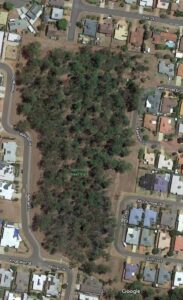
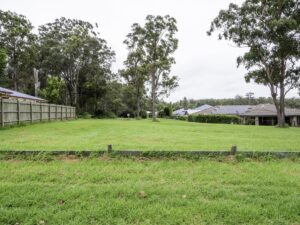
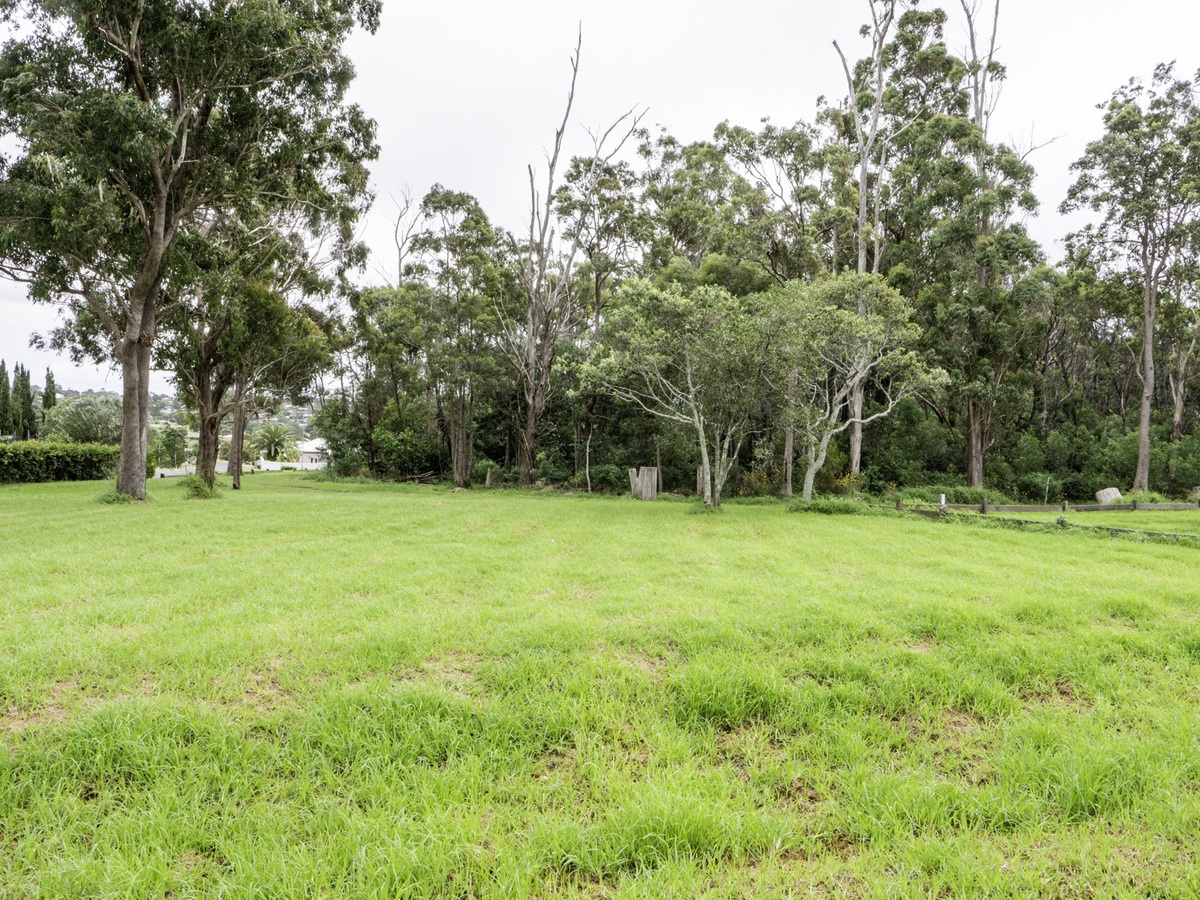
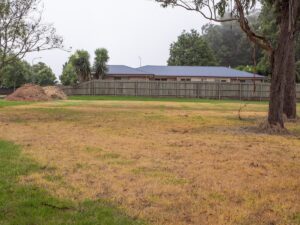
Friends of the Escarpment Park (FEP) have been successful in obtaining funding from the Qld Government and the Toowoomba Regional Council to develop a Microforest on a 580sqm grassed parcel of land. The land is managed by Toowoomba Regional Council and is adjacent to Hancock Street Park.
The project will follow the Miyawaki method of microforest creation. This is dense planting of endemic plants which make up a local ecosytem. More than 1000 Microforests have been created around the world.
Those involved include: Friends of Escarpment Park (FEP) volunteers, volunteers from the community, Crows Nest Community Nursery, Toowoomba Regional Council and the Qld Government.
Planting will consist of 1740 tubestock, representing the same indigenous species and plant communities as Hancock Street Park – an area of dry rainforest. The Miyawaki method results in the rapid creation of forest ecosystems, reportedly 10 times faster growth than conventional planting approaches.
For further information:
The climate action benefits of Microforest creation are:
- carbon storage 30 times greater than a grassed piece of land of equivalent size,
- environmental cooling of 2 degrees C.
Work is expected to commence in February 2023
Location: 16 Hancock St, Rangeville, Q 4350
Dec 27, 2022
About Hancock Street Microforest
Located in Rangeville, Toowoomba, Hancock Street Park is surrounded by urban development but offers locals and visitors an opportunity to connect with nature.
The park is just over 3.7 hectares and contains bushland vegetation of significant environmental value. In 2016 the Friends of the Escarpment Parks (FEP) started working with Council to eradicate weeds and regenerate native vegetation. The group meets there weekly on Thursday mornings and are always happy to welcome new members.
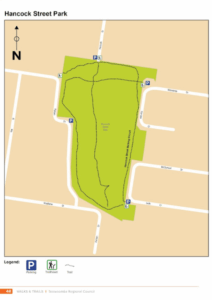
The park has a network of bushwalking trails connecting its four entrances – Hancock Street, Pelican Drive, Fairview Close and Leith Crescent. The Toowoomba Regional Council site has additional information.
Jan 15, 2023
Microforest creation
Why create a microforest at Hancock St Park?
This project has received funding support from the Queensland Government’s Community Sustainability Action grant program and an environment grant from Toowoomba Regional Council.
Hancock St Park is an endangered ecosystem (classification 12.5.6: https://apps.des.qld.gov.au/regional-ecosystems/details/?re=12.5.6).
The park is a tiny spec of the original natural world, of Rangeville Toowoomba. It is an environment rich in life, despite its small size. The plants of Hancock St Park are native to this area, and provide habitat for native animals, birds and insects. Close by Hancock St Park is another parcel of land which houses St Bart’s Church.
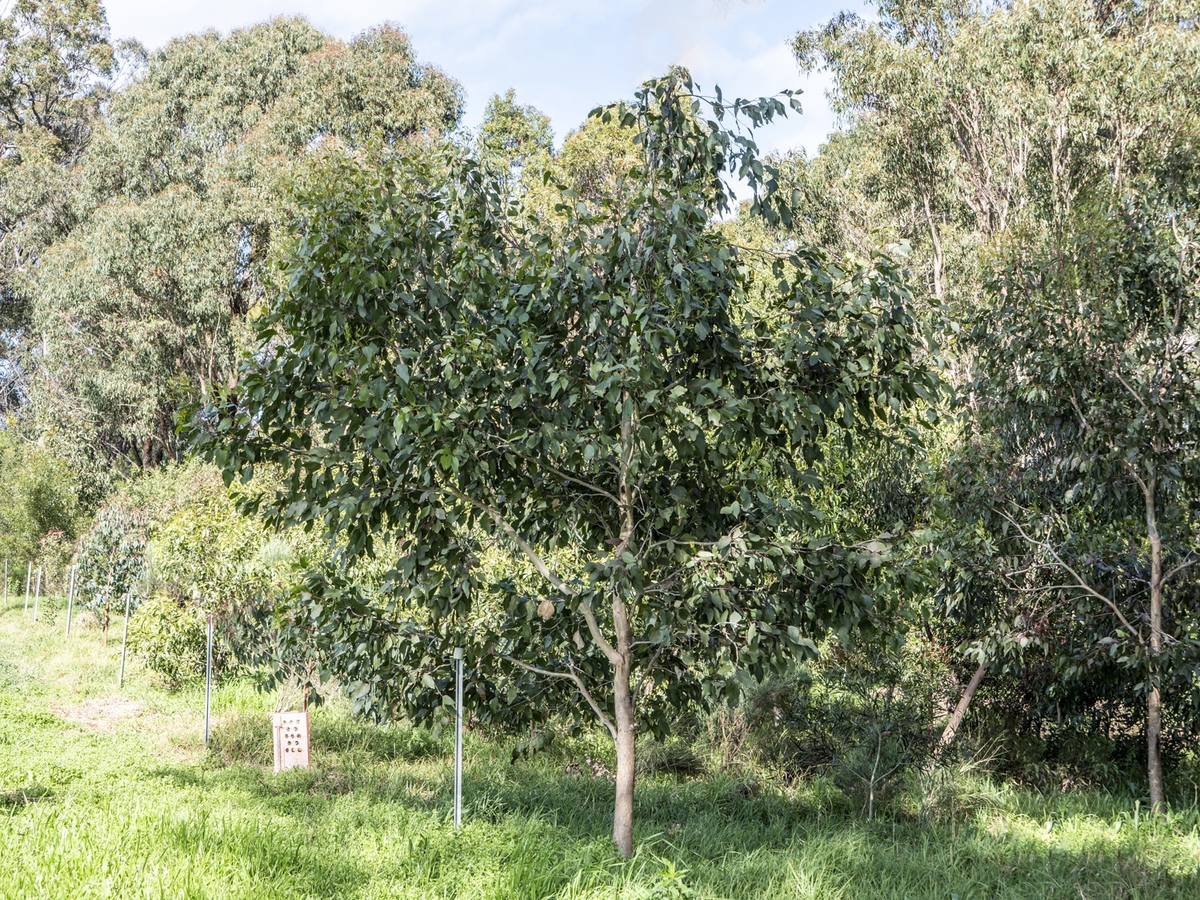
This land also supports the same endangered ecosystem. Bridging the gap between Hancock St Park and the St Bart’s Church land is a piece of land, about the size of a house block which is currently mown grass. By replanting this grassy piece of land with the same plant species which are found in Hancock St Park and in the St Bart’s Church land we will add to the viability of this ecosystem and create a wildlife corridor linking the two.
What is a microforest?
The mini forest (microforest, pocket forest) concept was developed by Professor Akira Miyawaki, a botanist, as he sought to recover and recreate plantings of original ecosystems found in different parts of Japan. Over the 40 years of his work 500 mini forests were created in Japan. His ideas spread to Europe, the Americas, the Middle East, the Indian subcontinent and to Australia. Microforests have been recognised as part of a worldwide effort to regreen our planet, to provide habitat for endangered species, to moderate the climate, and provide carbon storage. Please see our links to find out more about microforests in Australia and around the world.
How is the Hancock St Park Microforest being created?
In 2022, Friends of Escarpment Parks (FEP) submitted a grant proposal to the Queensland Department of Environment and Science, which was successful. This grant supports the purchase of plants, watering equipment and plant guards. FEP also submitted a second grant proposal to the Toowoomba Regional Council. This grant supports the cost of site preparation.
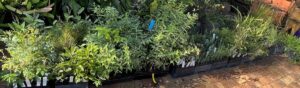
Crow’s Nest Community Nursery has undertaken the task of propagating the plants for the microforest. Only plant species which are naturally found in Hancock St Park are being grown, and many are being propagated from seeds and cuttings collected in the park. There will be a few trees, many small trees, understorey plants, herbaceous plants, grasses and creepers. Please see the plant list. The microforest site which is the size of a tennis court (600 m2) will be planted in three stages, each 200m2.
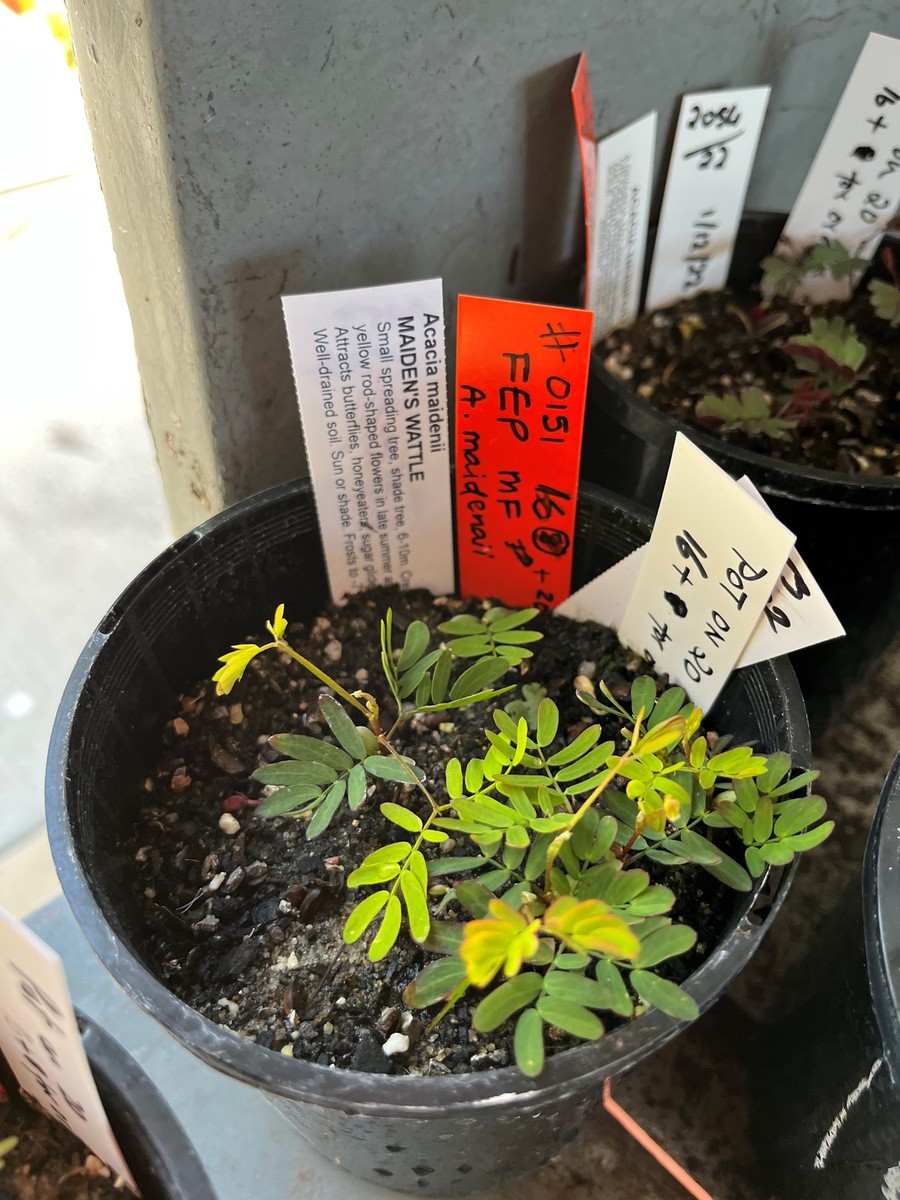
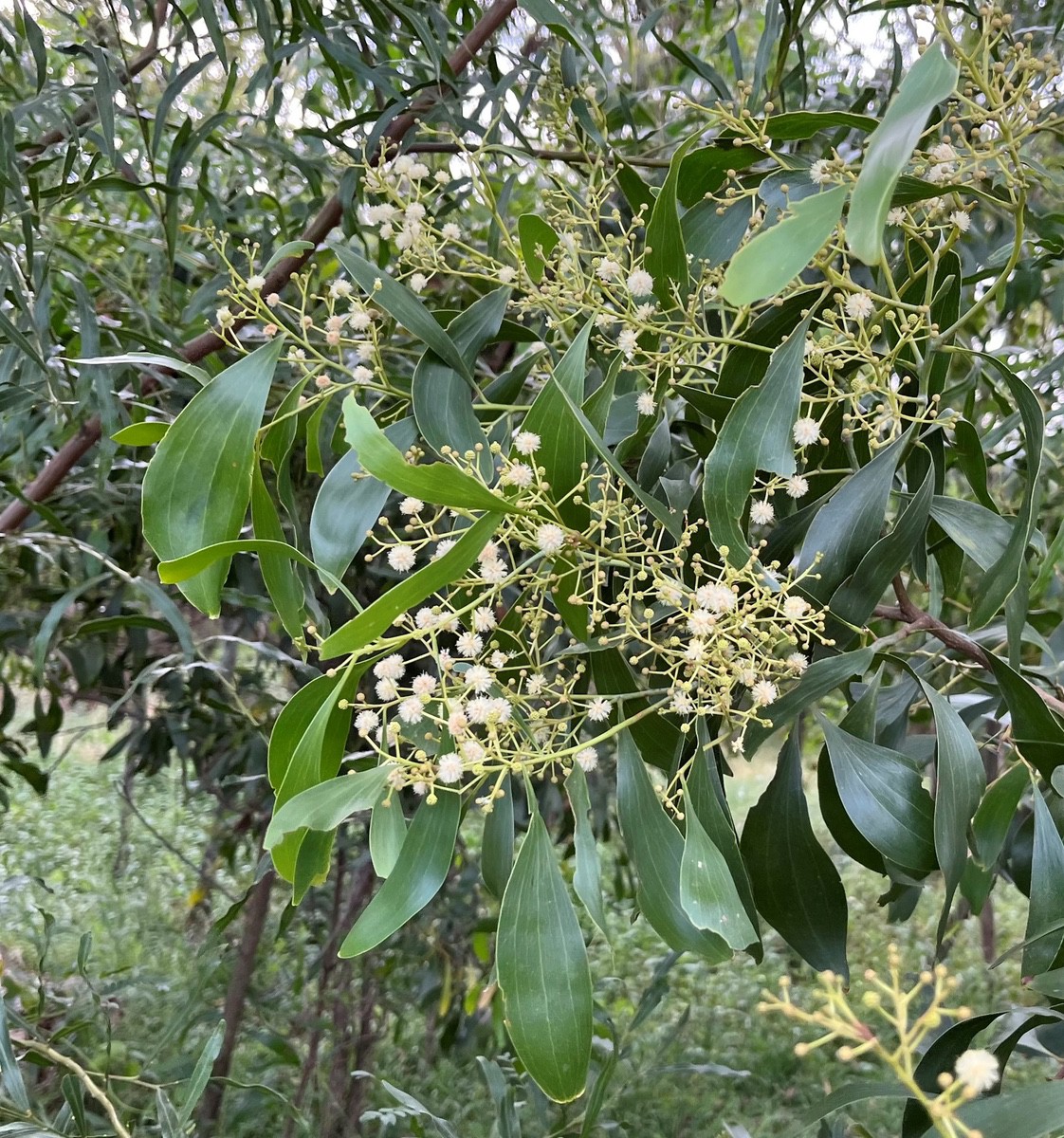
Acacia maidenii or Maidens Wattle grown at Crows Nest Nursery will be used for the project. To germinate acacia seeds boiling water is poured on to them and they are allowed to soak for a few days. The heat simulates the conditions they need to sprout. Acacia melanoxlyn or Blackwood flowered in the park in January. (Photo: M. Henderson)
The Timeline for creating the Microforest
- November 2022 – March 2023 – Crows Nest Nursery grows plants for the project. Many of the seeds and cuttings have been collected from Hancock St Park
- January and February 2023 – Spray the grass on the microforest site – FEP
- March 2023– Cultivate the soil and incorporate organic matter – landscape contractor
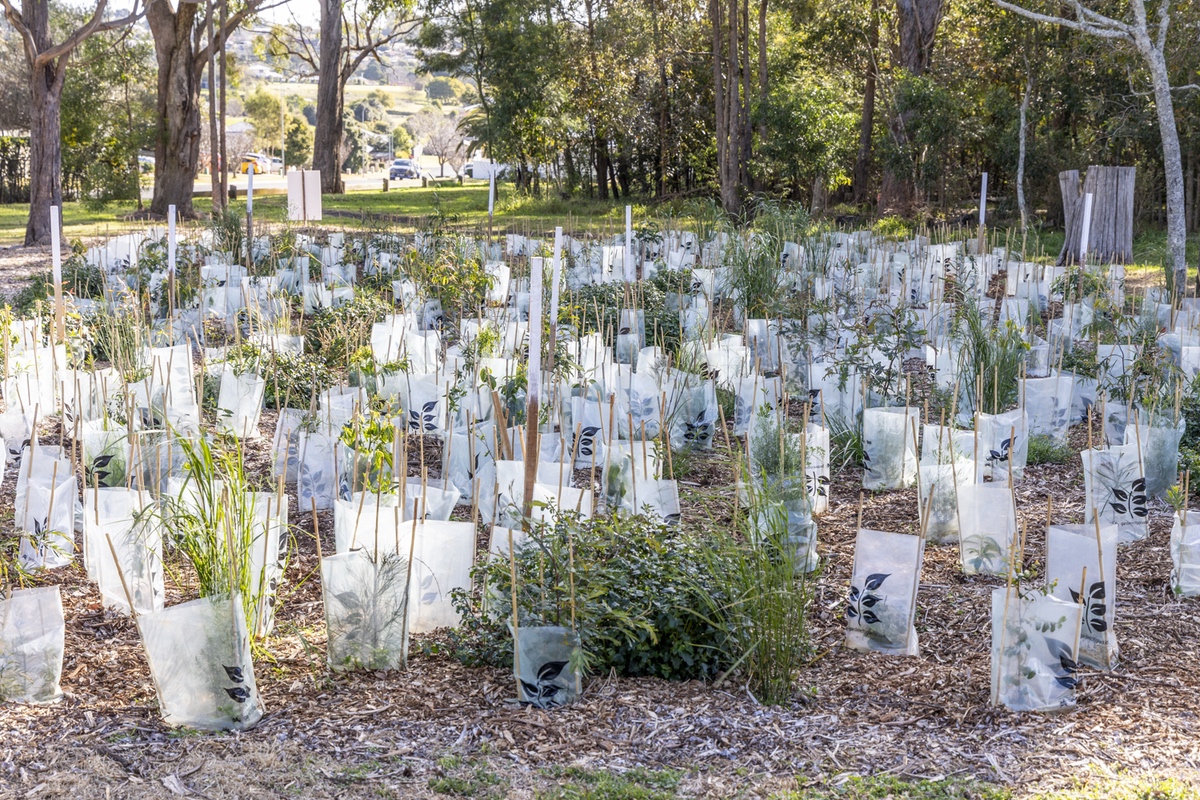
- April 1 2023 – First planting – Volunteers from FEP and local community
- April 2 2023 – Mulch the first planting area and the overall site – Volunteers from FEP and local community
- Undertake watering and weeding – April 1 2023 onwards – Volunteers from FEP and local community
- Spring 2023 – Second planting – Volunteers from FEP and local community
- Autumn 2024 – Third planting – Volunteers from FEP and local community
Feb 20, 2023
Site preparation
Preparation of the site commenced at the beginning of the month.
In preparation for the planting, we need to remove the grass on this site. This has been done by a herbicide spray undertaken by a Friends of the Escarpment Parks volunteer. It is estimated that the forest which will replace the grass will store 30 times more carbon than the grass can. And once established (approximately three years) will require minimal maintenance.
Apr 2, 2023
Planting Day – a huge success!
Machinery was used to cultivate the soil to a depth of 30cm and a layer of 10cm of compost was incorporated into the soil. The process aims to simulate the ground level of a forest ecosystem. The soil was then evenly raked over in preparation for planting.
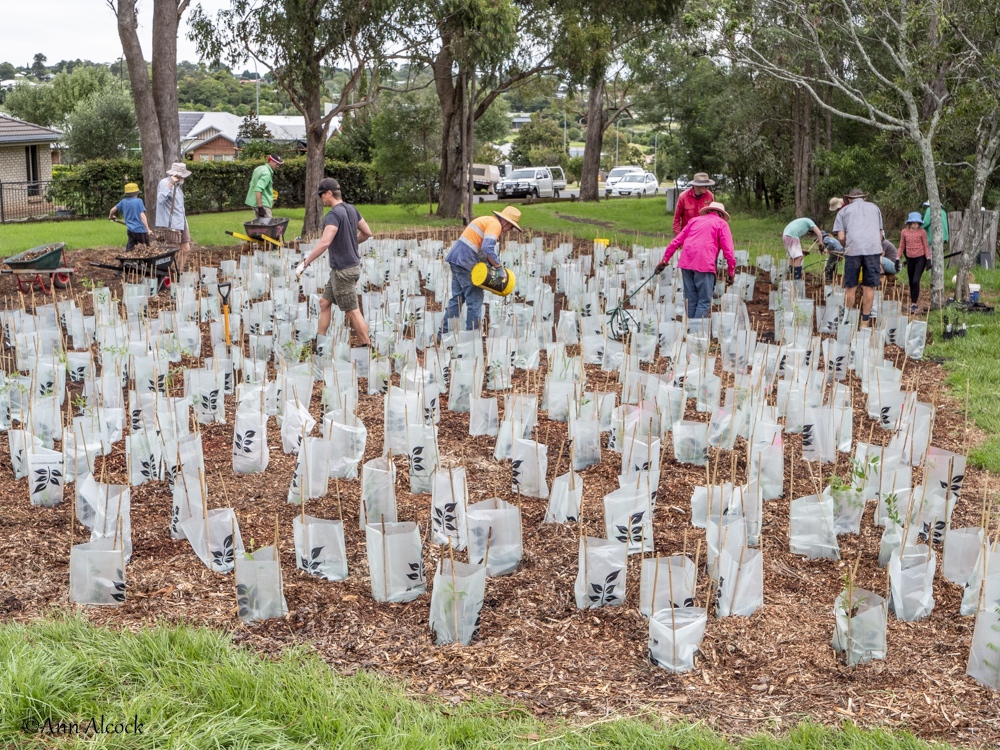
Stage 1 planting took place on 1 April 2023. A list of the species planted is available under the “Plants” page on this blog.
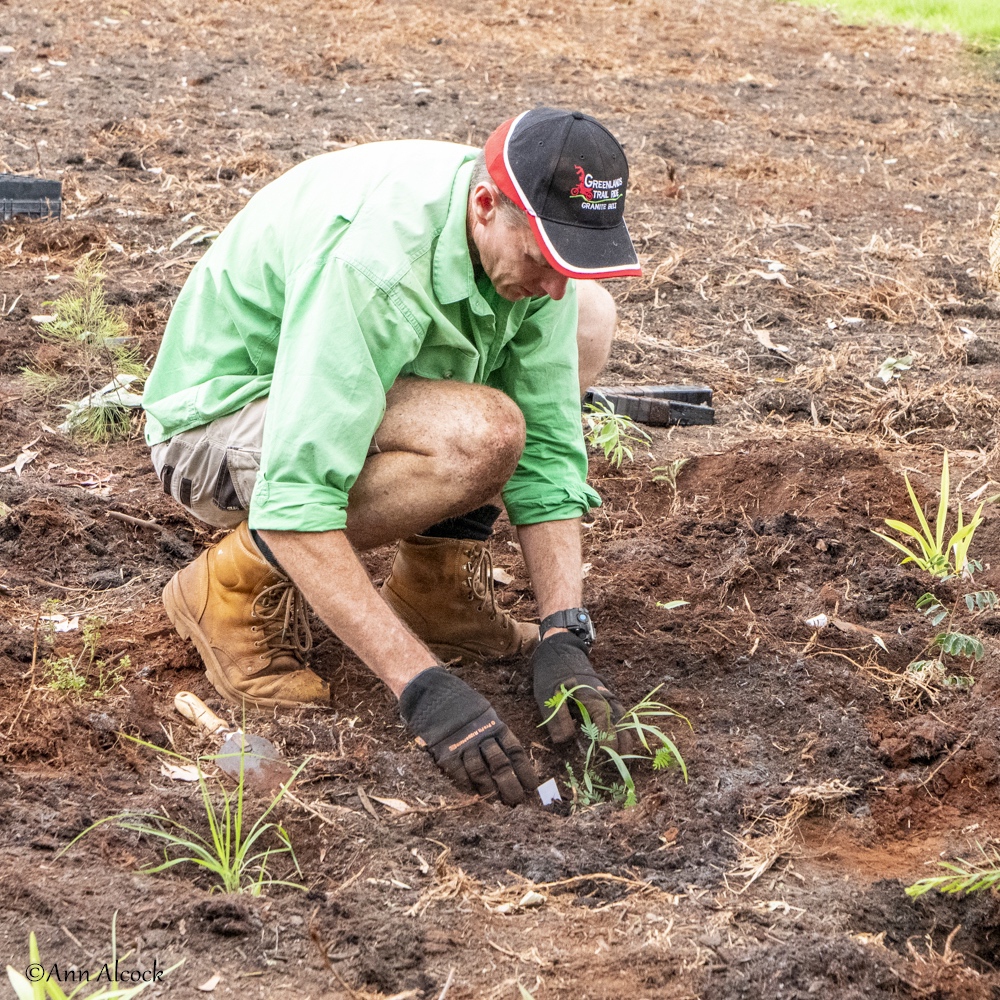
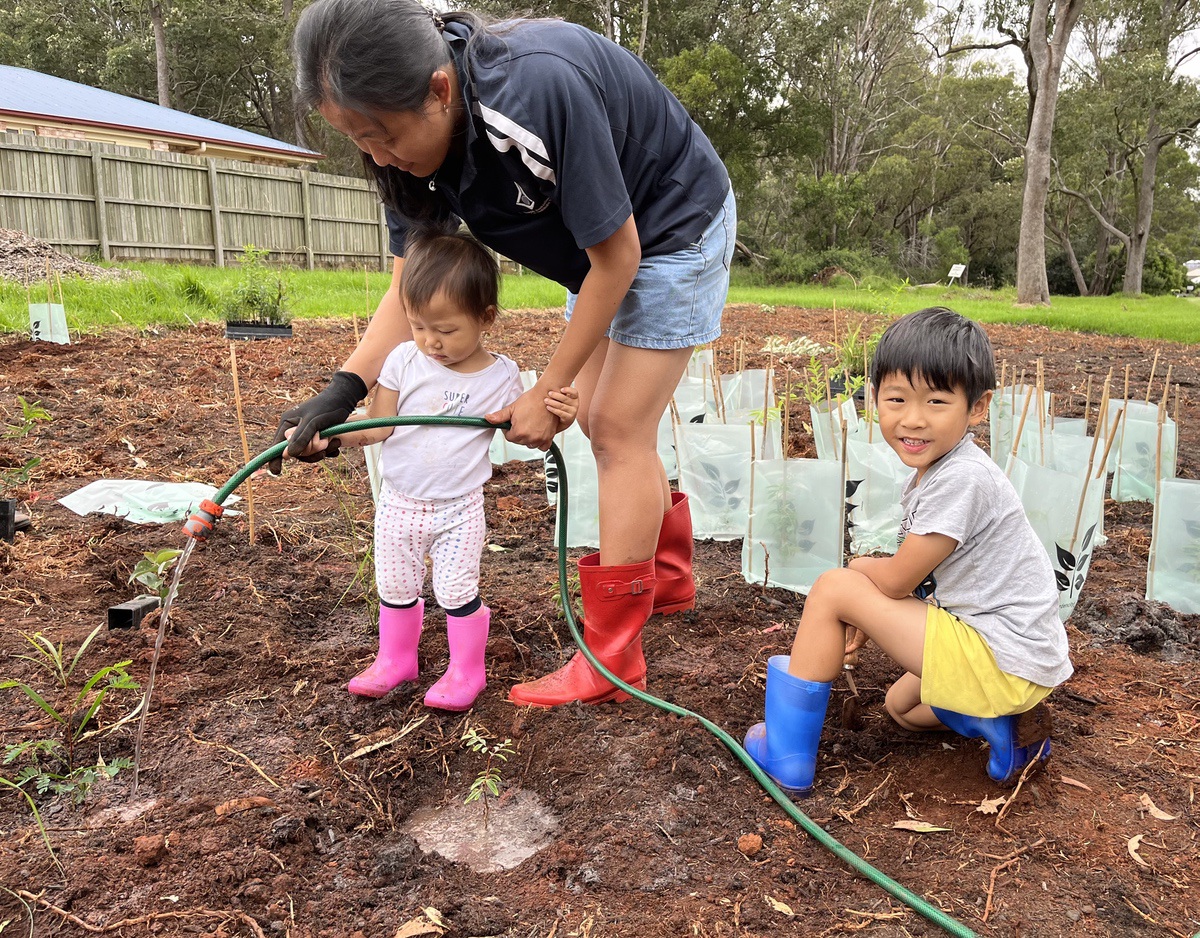
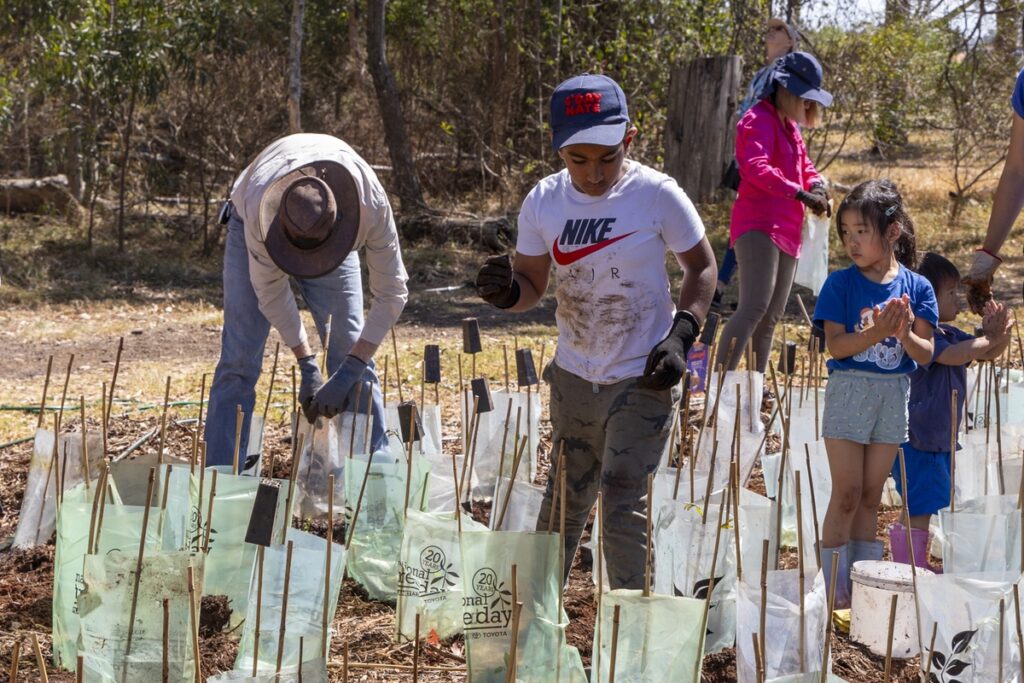
Over 60 people, including Friends of the Escarpment Park, neighbours of the park and community members came to assist with planting. It was heartening to see several families with young children among the participants. People signed on, were given a safety briefing following by instruction in the process – preparation of the hole, planting, watering, mulching and guarding.
Jul 20, 2023
Care and maintenance
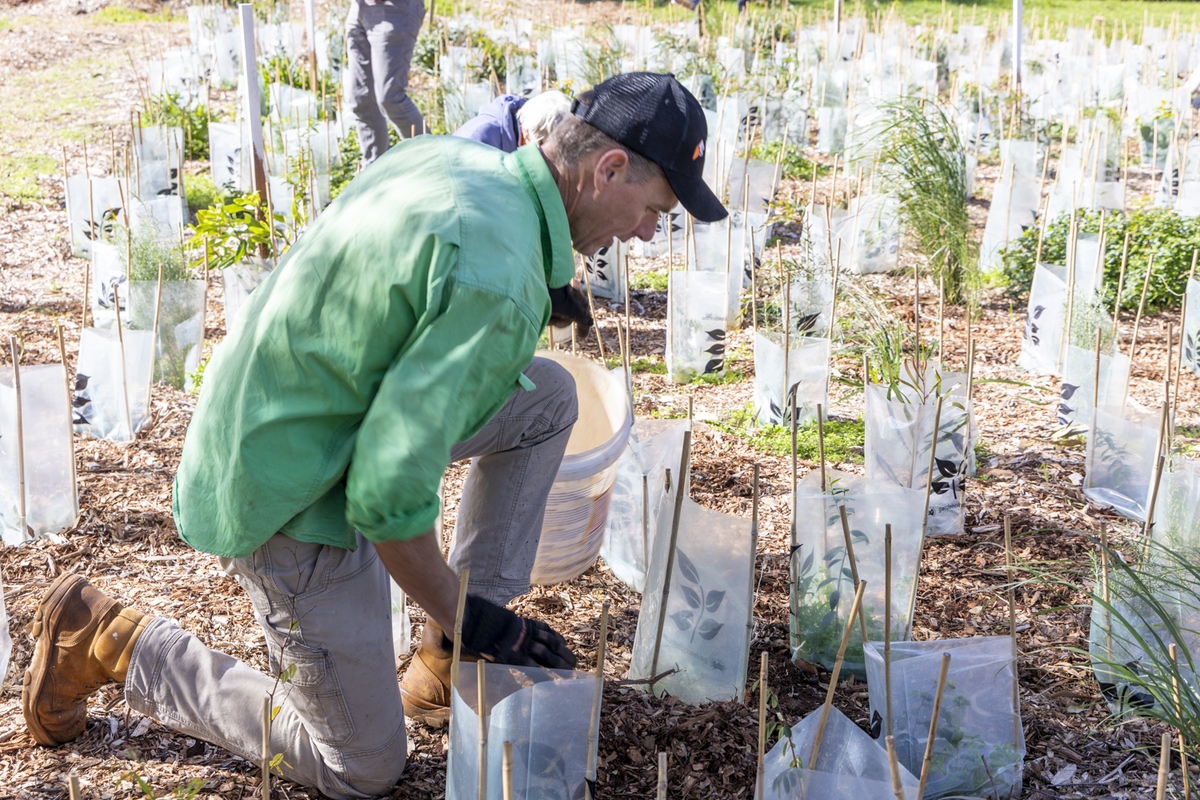
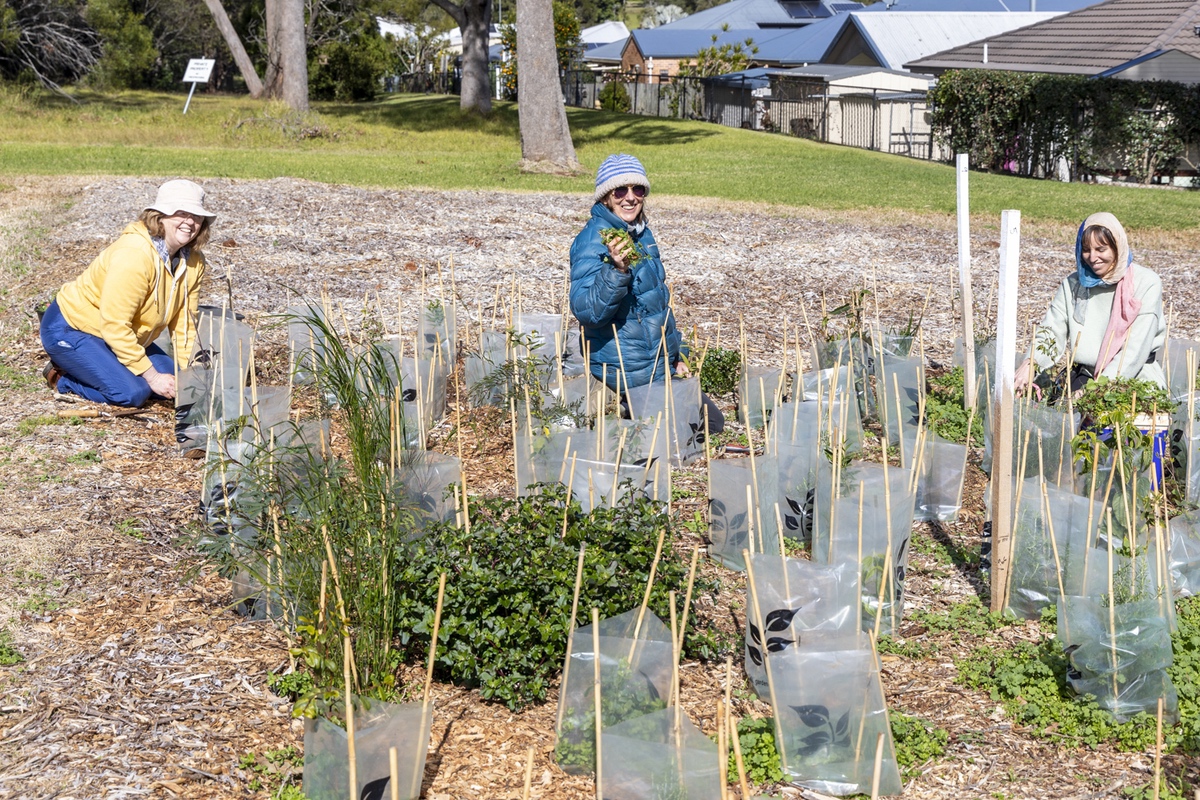
During the last four months volunteers have continued with regular watering, weeding and mulching. The plants in the microforest have grown well and some are now in flower, despite the cooler weather.
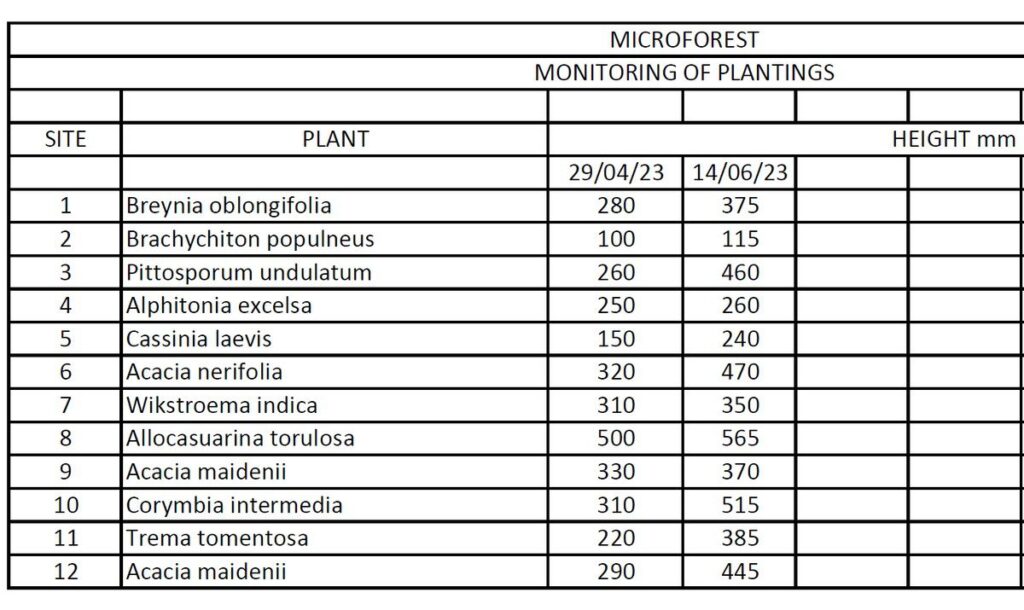
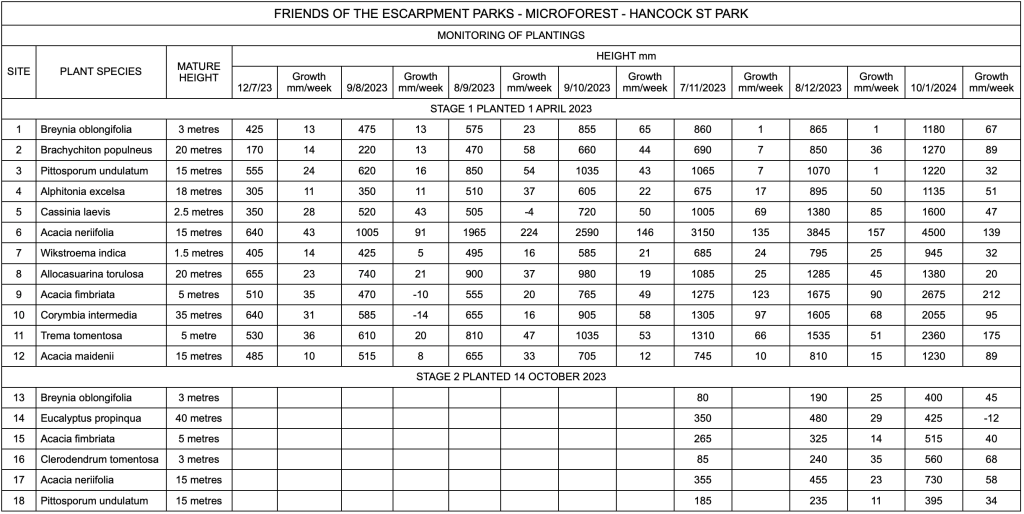
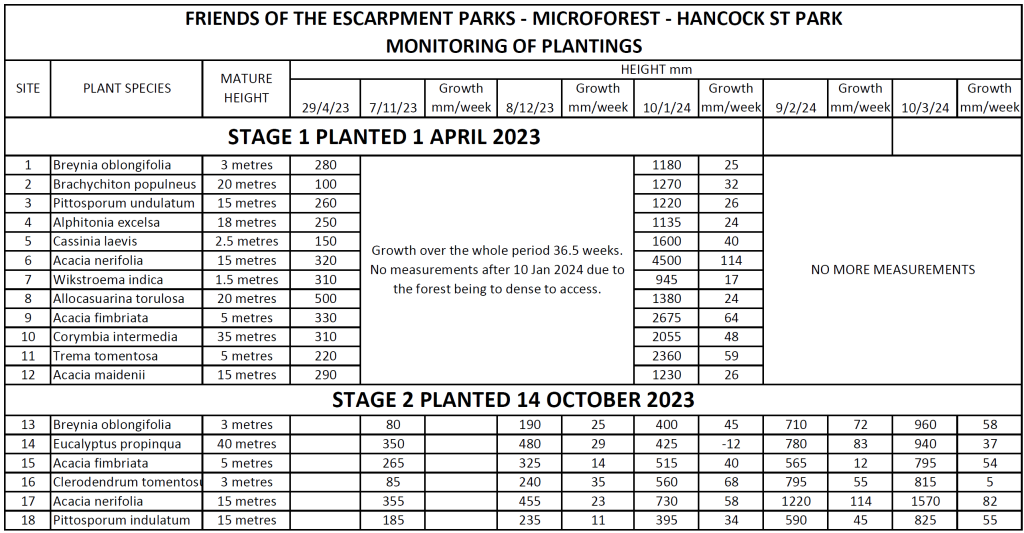
The table below shows the rate of growth of several species since planting in April.
Some are growing more quickly than others. The groundcovers like Commelina and Einadia in particular are spreading extremely quickly and it may be necessary to cut some of these back to stop them from smothering nearby plants.
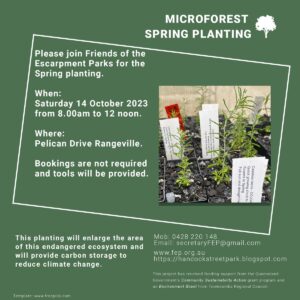
Spring Planting
The next stage of planting will take place on Saturday 14 October from
8.00AM to 12.00noon. All welcome!
Oct 16, 2023
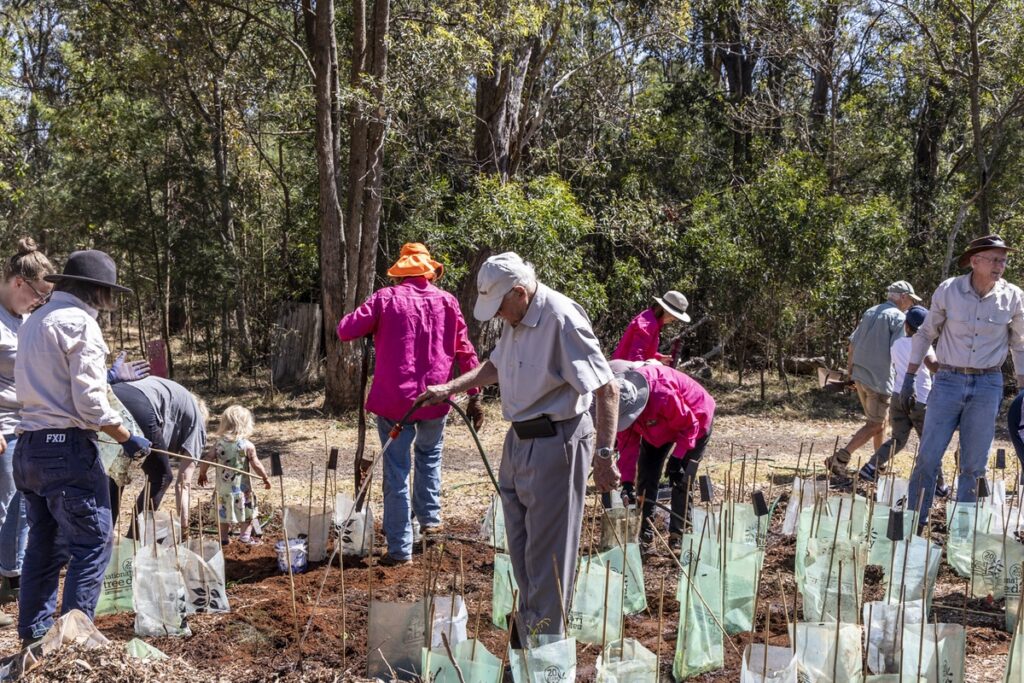
Spring Planting – Stage Two
Fifty people attended the planting day. Stage Two of the microforest has now been planted, bringing the plant total of stages one and two to just under 1000 plants. All of these plants are found naturally growing in Hancock St Park. Plants were grown for us by Crows Nest Community Nursery, and we also obtained some from Paten Park Nursery.
Ongoing care for about two years is required to keep the plants alive. After this time, the forest should be self-sustaining. Requirements are simple: watering and weeding, and the mulch may need topping up. If you would like to participate on either an occasional or regular basis, please contact the Secretary: secretaryfep@gmail.com. It is a pleasant and rewarding task to weed and look after the plants in this lovely location.
The philosophy of creating a microforest is to reestablish a plant community that was originally growing in a location, but which has been cleared. This provides habitat for wildlife and reintroduces biodiversity. The Hancock St Park microforest is extending the endangered ecosystem of Hancock St Park. Note: The Hancock Street Park ecosystem is classified as 12.5.6. It is a mid-dense open forest usually found on deep red soils at higher altitudes. It provides a suitable koala habitat. It is estimated that prior to clearing 36,000 hectares of this ecosystem was found in Queensland, whereas in 2019 we had 8000 hectares remaining. This is a loss of 78%.
Carbon storage and temperature modification (cooling) are also important outcomes of this process. There is a specific method which is used in microforest creation, and this is based on the research and practical work of the founder of this approach, Akira Miyawaki. His approach has been adopted throughout the world. Note: https://www.gdrc.org/u-gov/rewild/rewild-08.html
Microforests can also be created in home gardens and we can draw from this approach to create wildlife gardens by selecting a range of garden plants which are local to our area to provide habitat for wildlife.
Stage Three planting will take place in Autumn 2024.
Feb 08, 2024
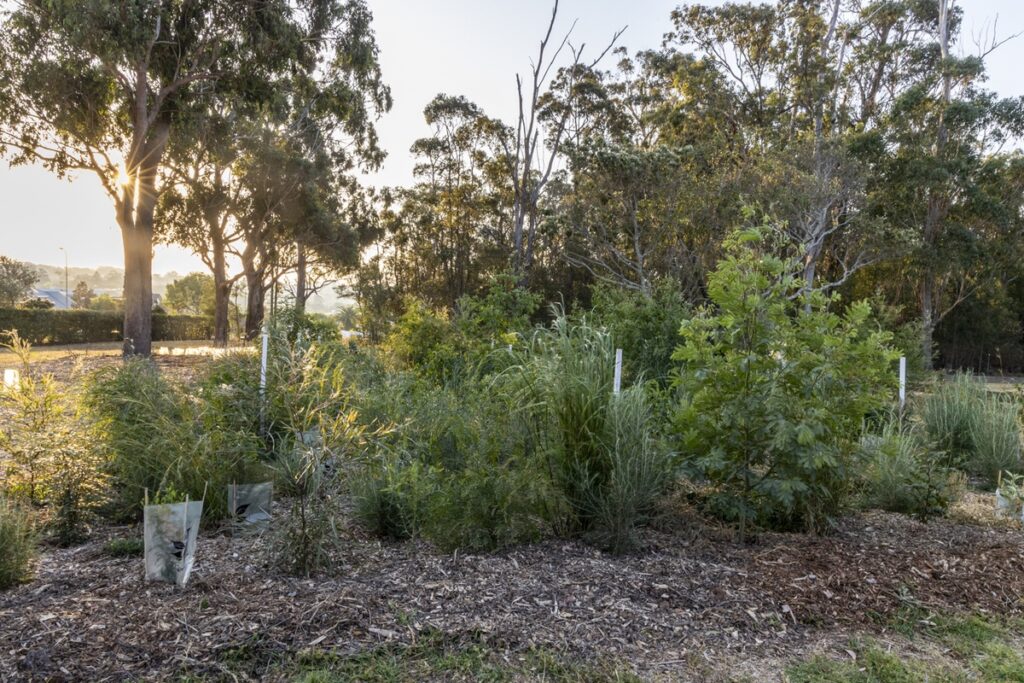
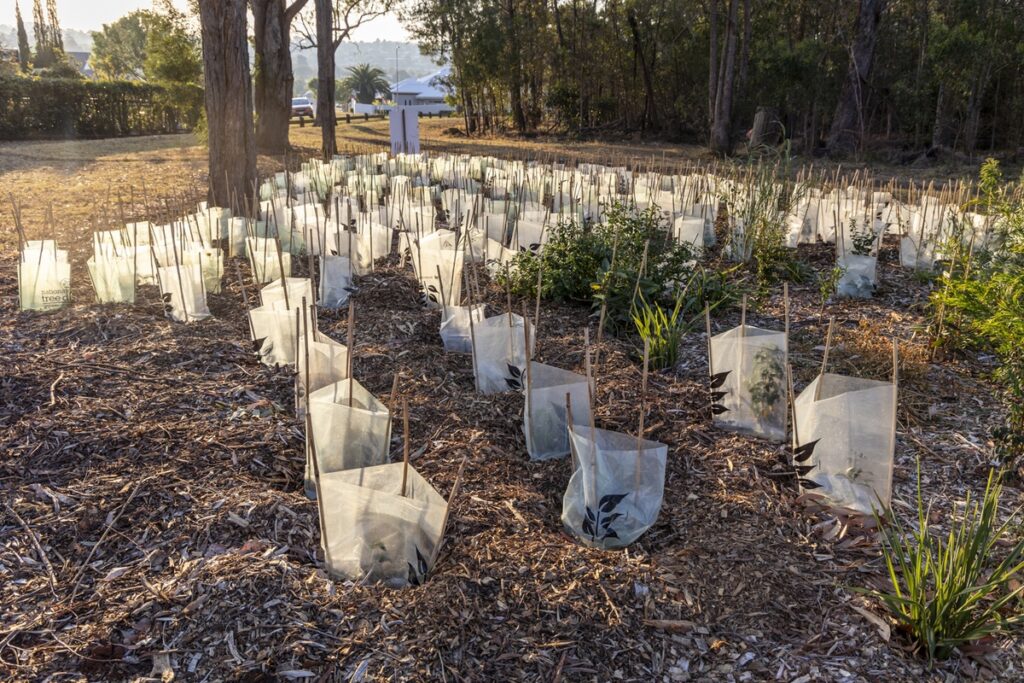
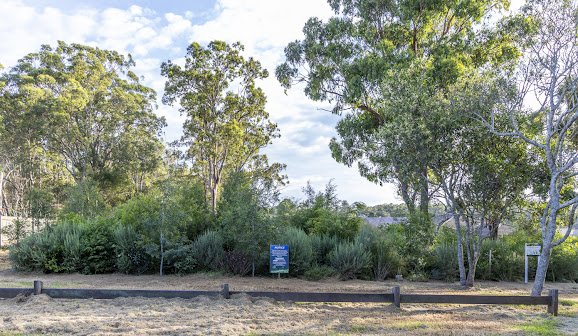
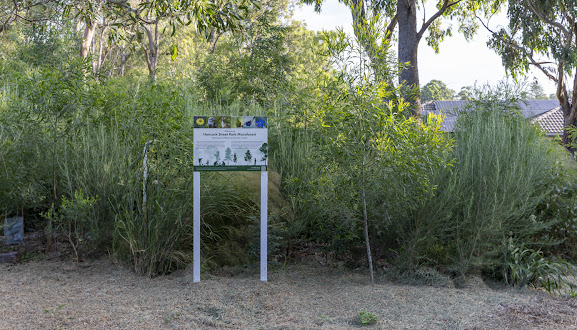
Microforest Growth to Feb 2024
Mar 22, 2024
Stage 3 Planting
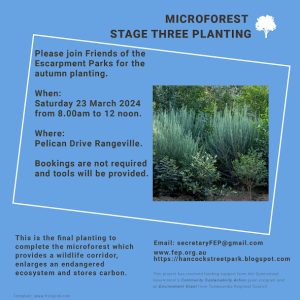
The next stage of planting will take place on Saturday 23 March from 8.00 AM to 12.00 noon. All welcome!
Mar 26, 2024
Autumn Planting 2024
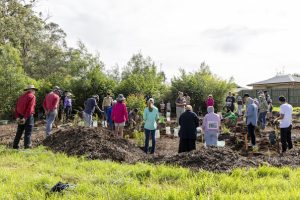
On Saturday 23 March 2024 we completed the Hancock St Park microforest plantings. 520 plants were planted, plant guarded, watered and mulched on the day by 48 community and FEP volunteers. The day started with safety talks, planting and plant guarding demonstrations. Thanks very much to Greg Lukes and Shirley Dunsdon. At 9am Tiffany Gessler asked us all to be mindful of the moment, tune in to our wonderful surroundings while she shared with us an Acknowledgement of Country. Thanks very much Tiffany. You have provided a beautiful Acknowledgement of Country for all three of our plantings. Thanks to all our volunteers on the day. We had a great time and had downed tools by 12 pm.
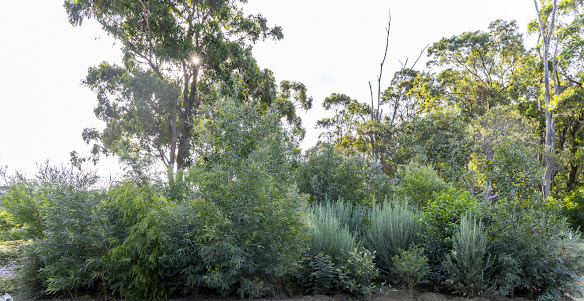
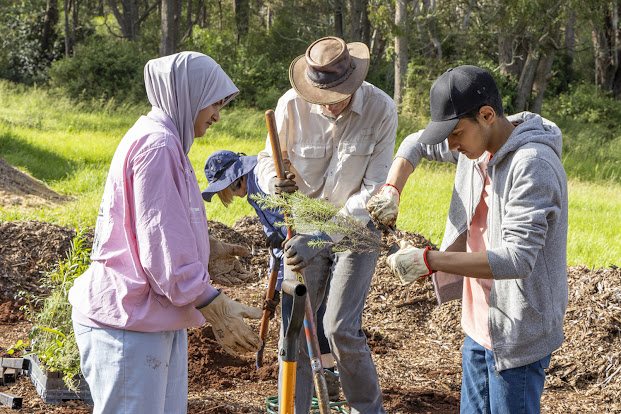
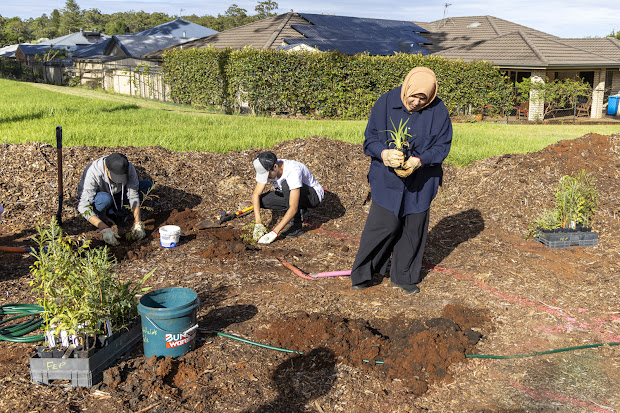
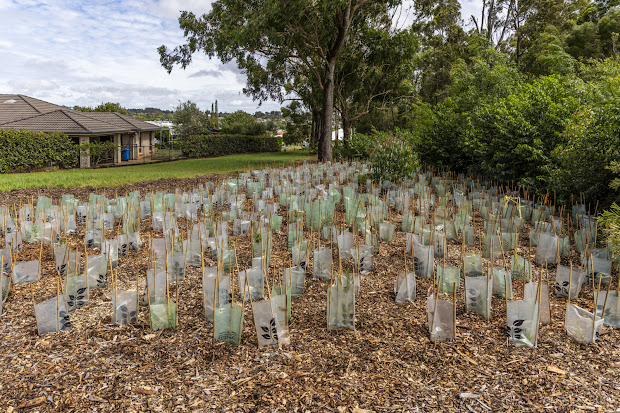
Growth of microforest stages one (planted in April 2023) and two (planted in October 2023) have been beyond expectation, with stage one plants now towering above us and forming a dense mini bushland. This success can be attributed to the careful implementation of the Miyawaki miniforest method, good soil, rain and care from FEP volunteers. All plants used are those found growing naturally in Hancock Street Park, an endangered ecosystem (classification 12.5.6). This revegetation project turned a 600m2 piece of grassed land into a forest habitat. Thank you to everyone who has been involved. We hope to inspire more microforest creators. Please get in touch if you would be interested in creating your own microforest: secretary@fep.ofg.au
Sep 20, 2025
Botanical Plant Signs
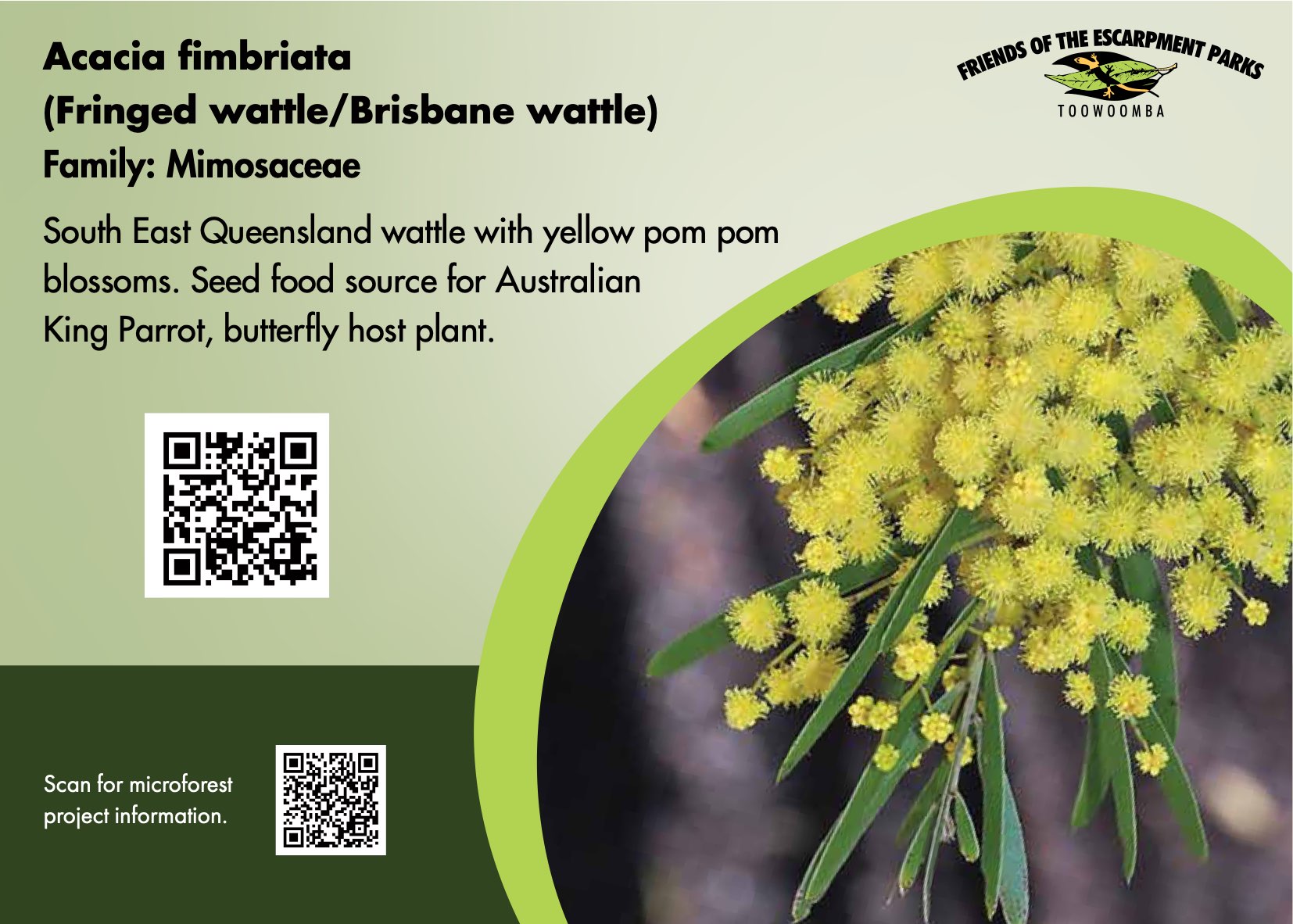
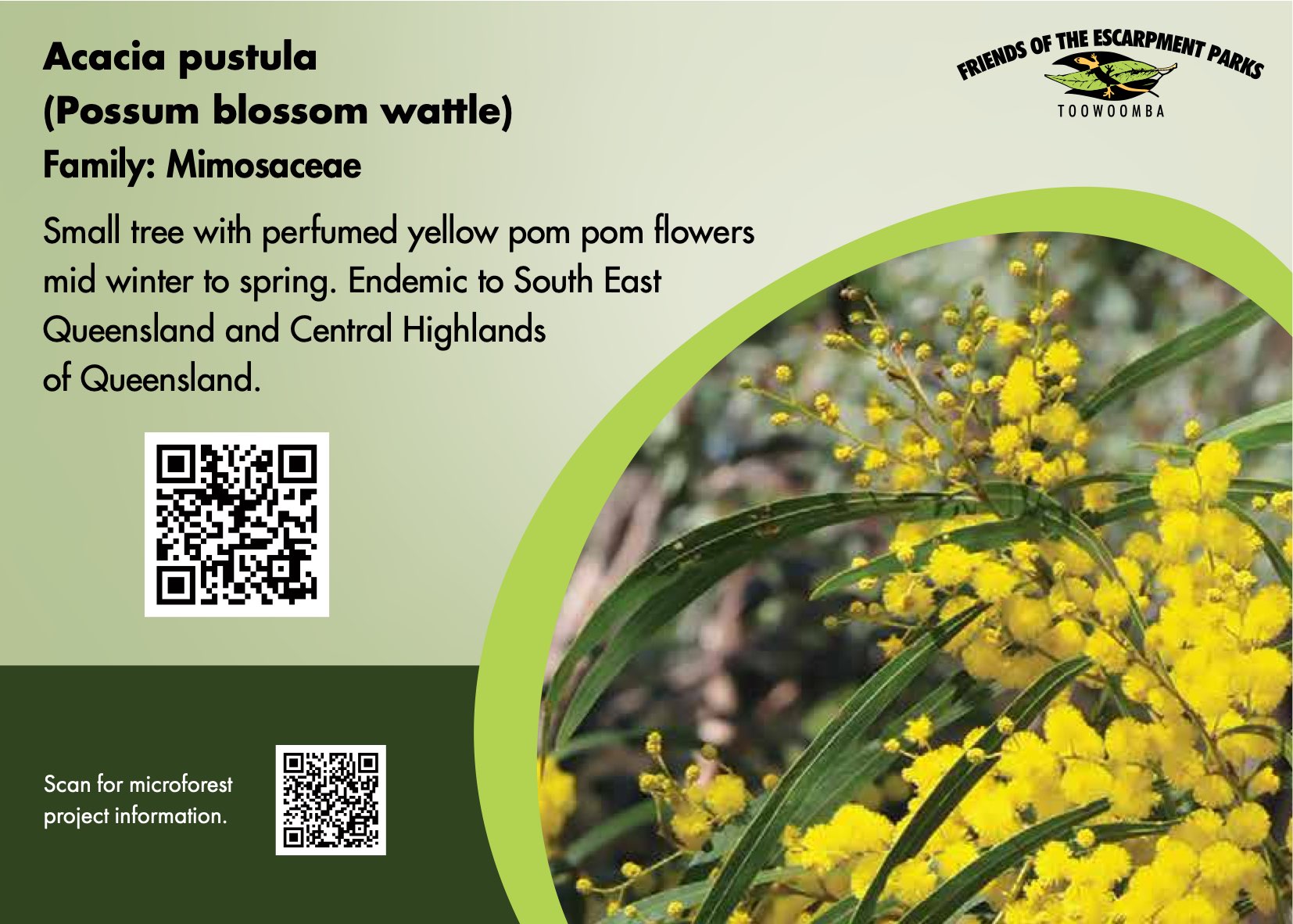
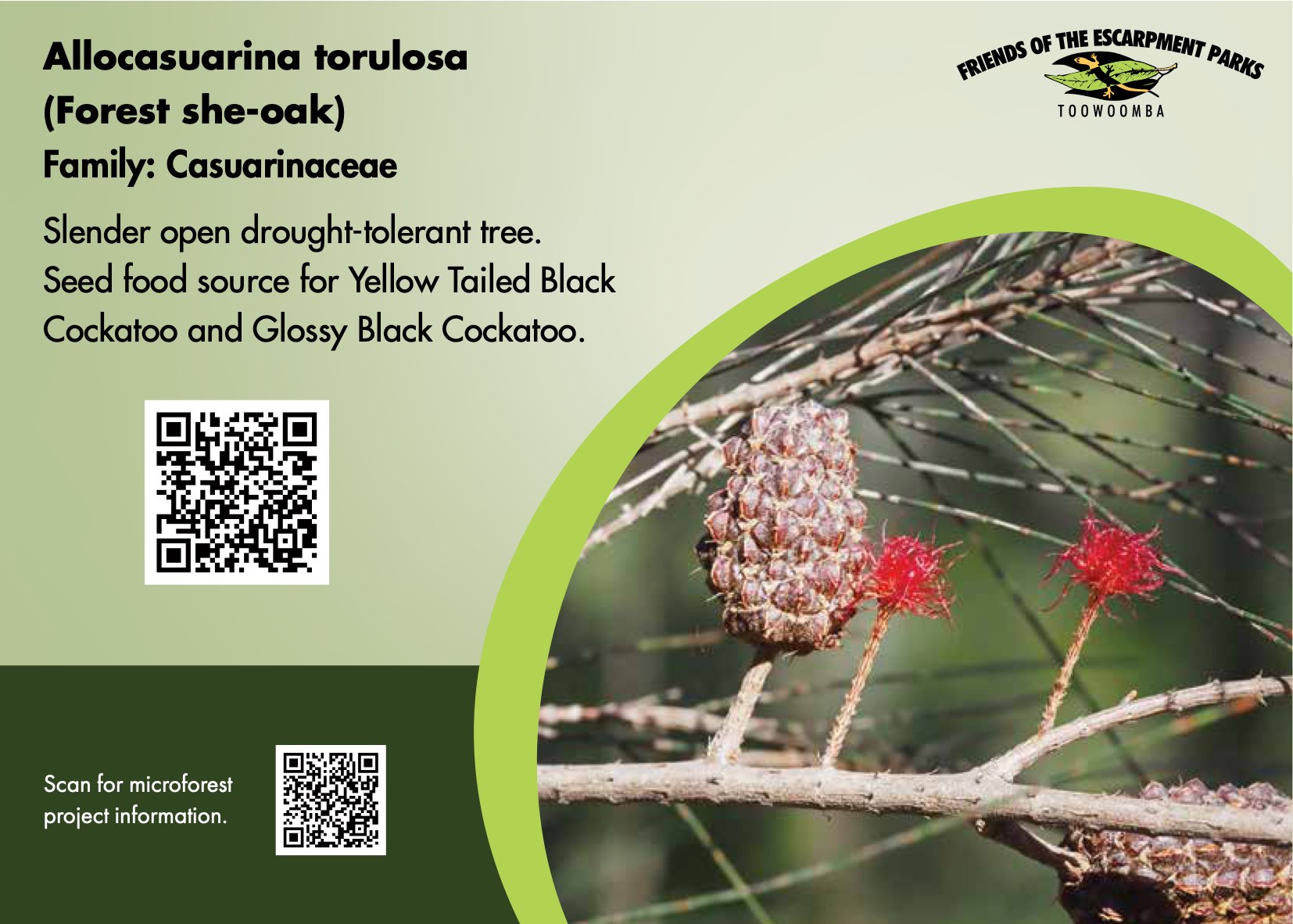
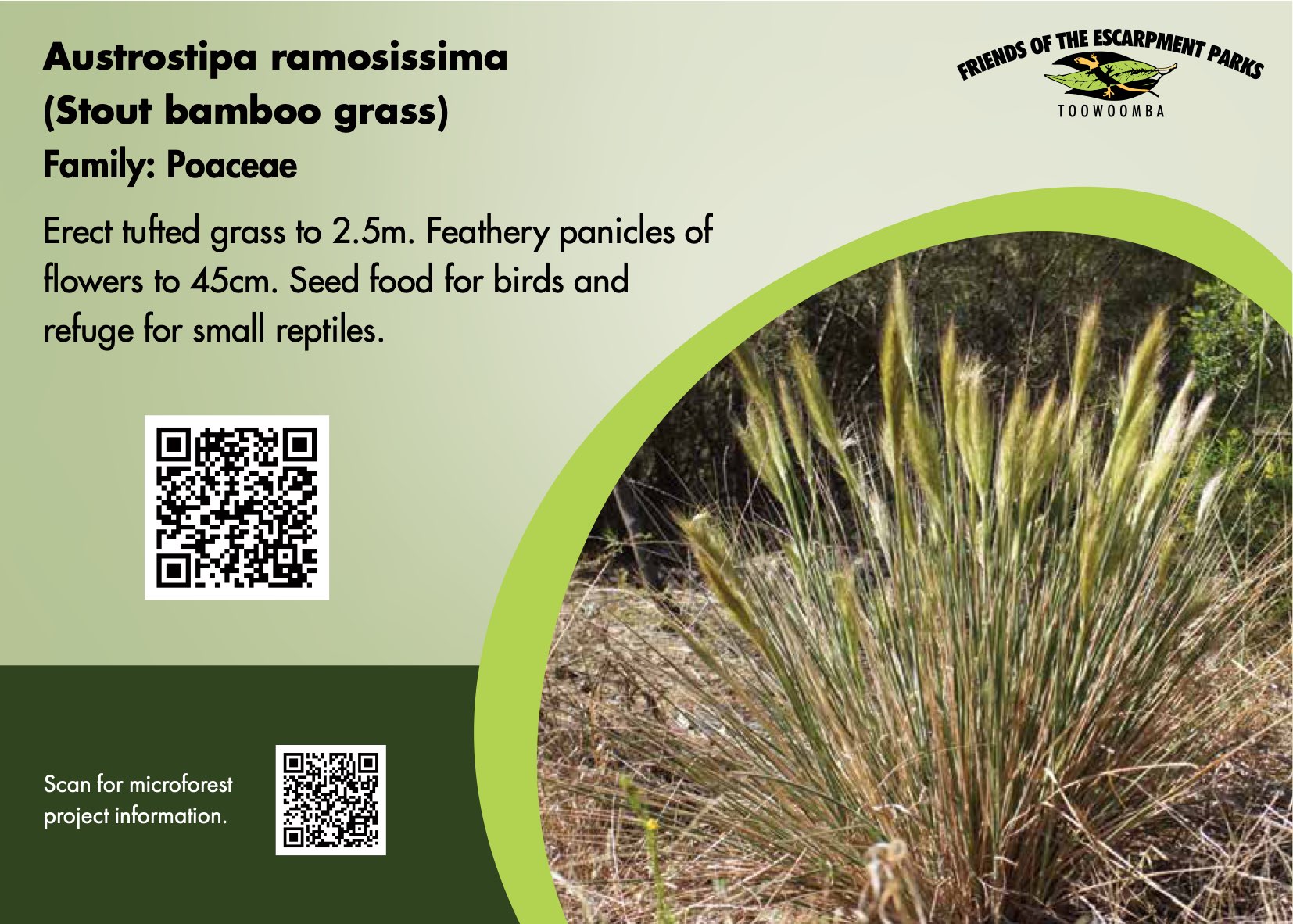
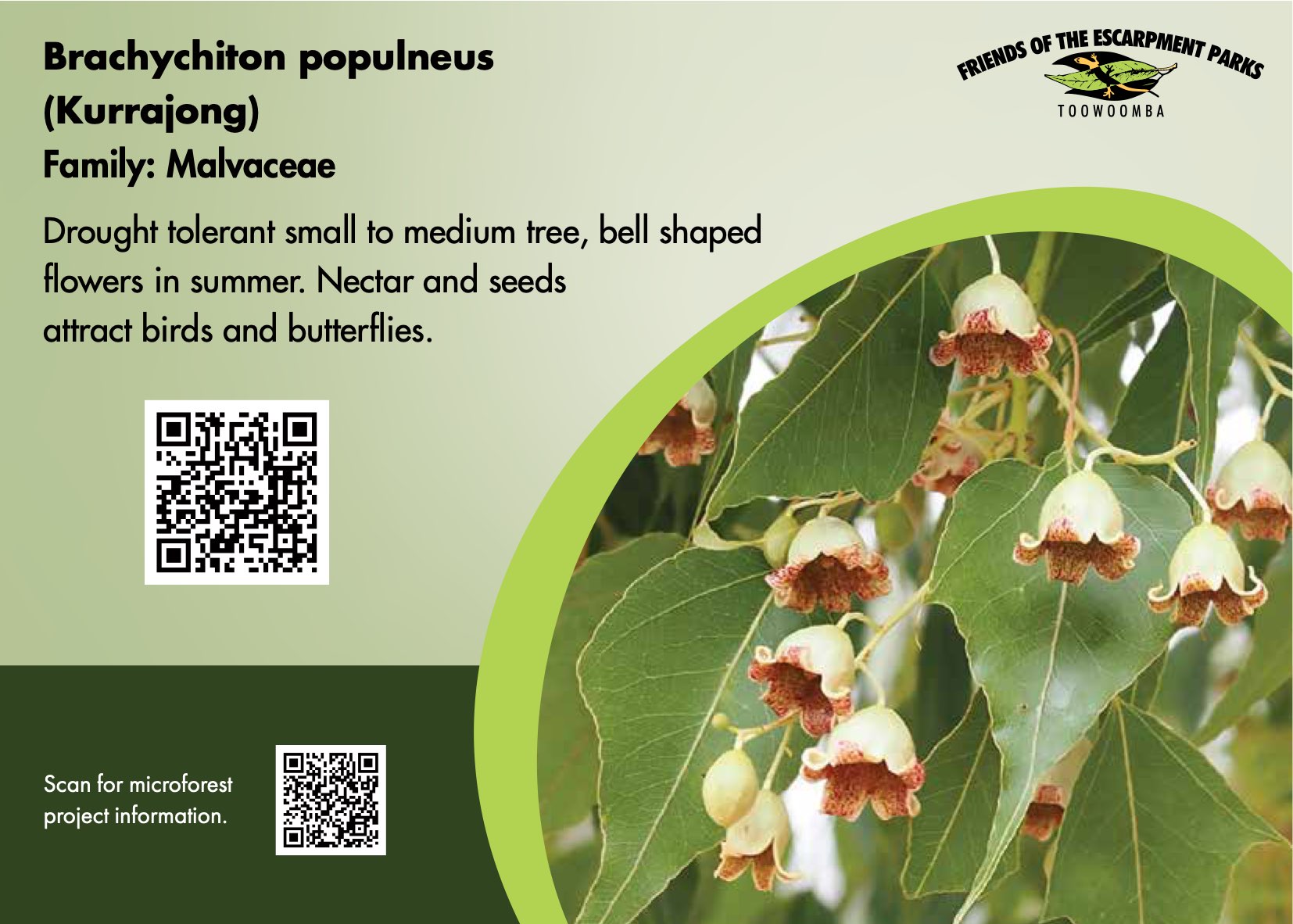
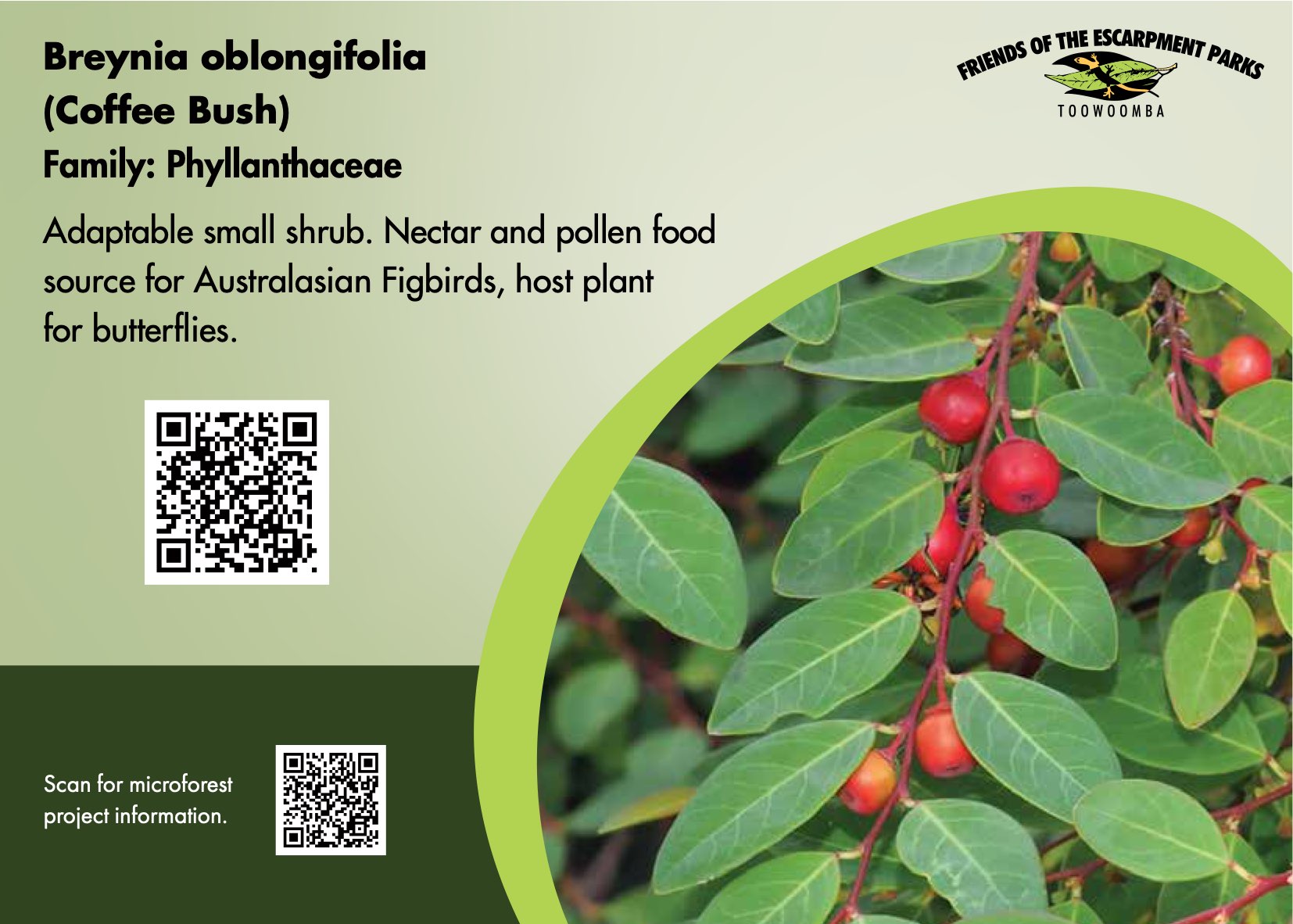
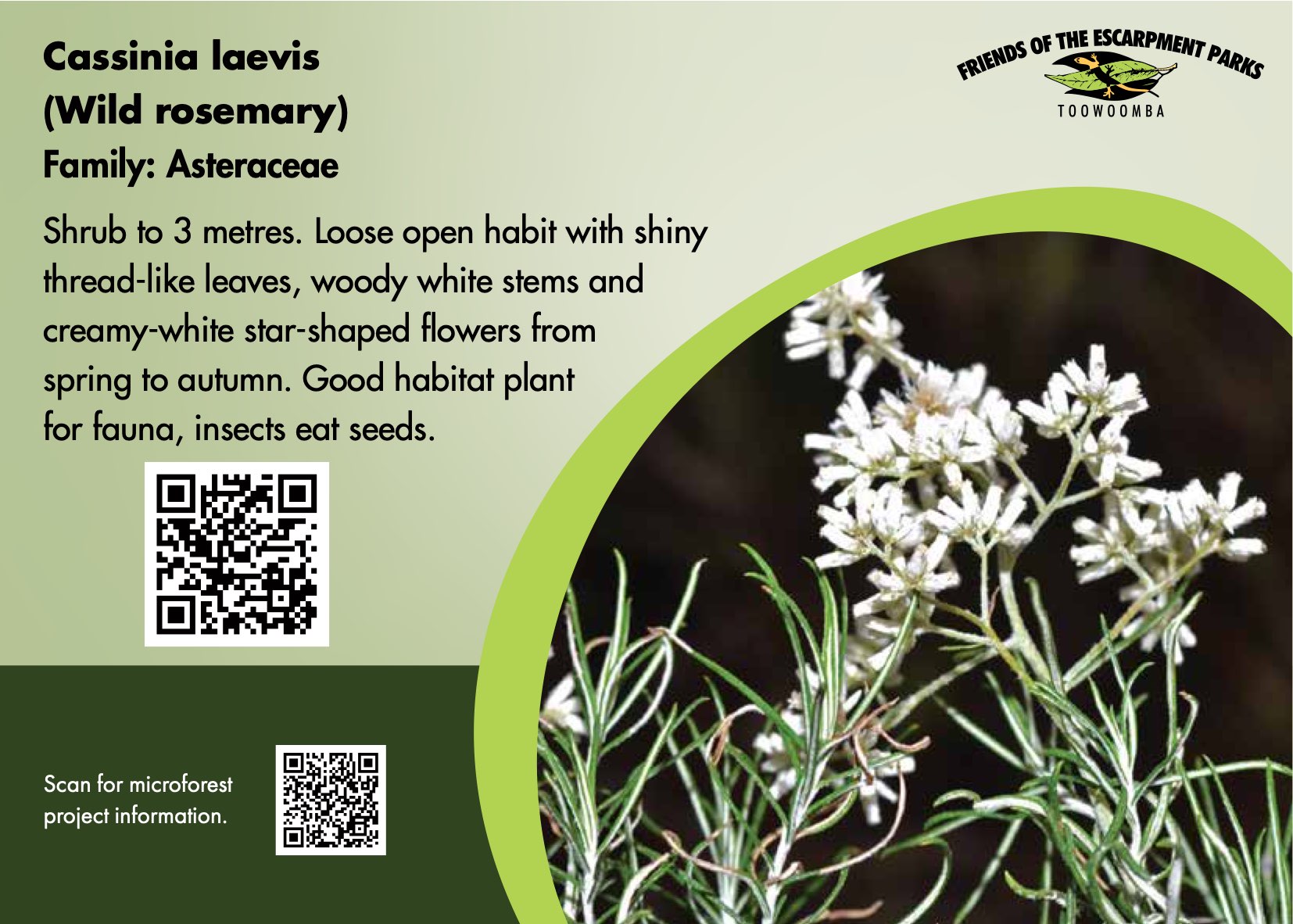
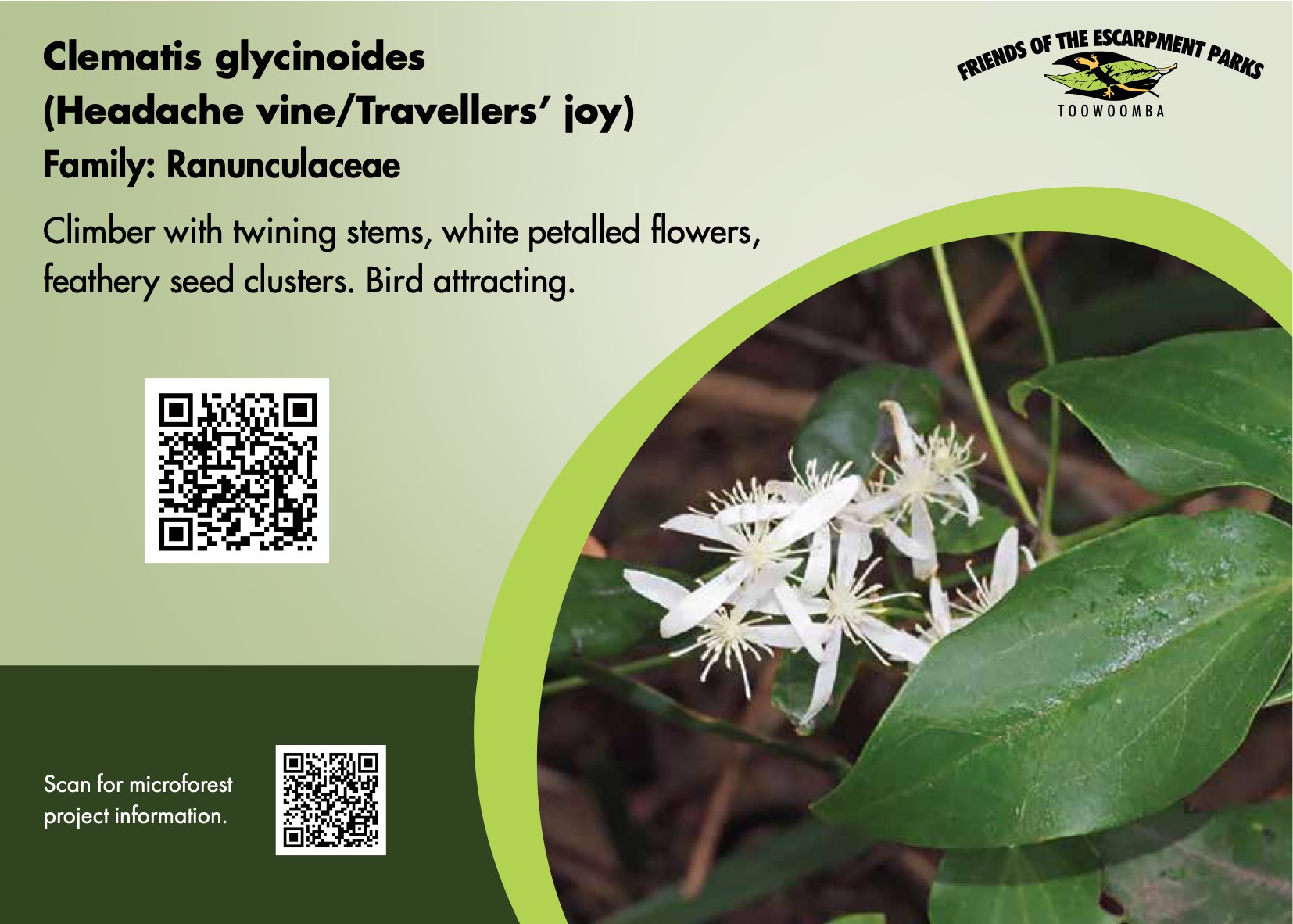
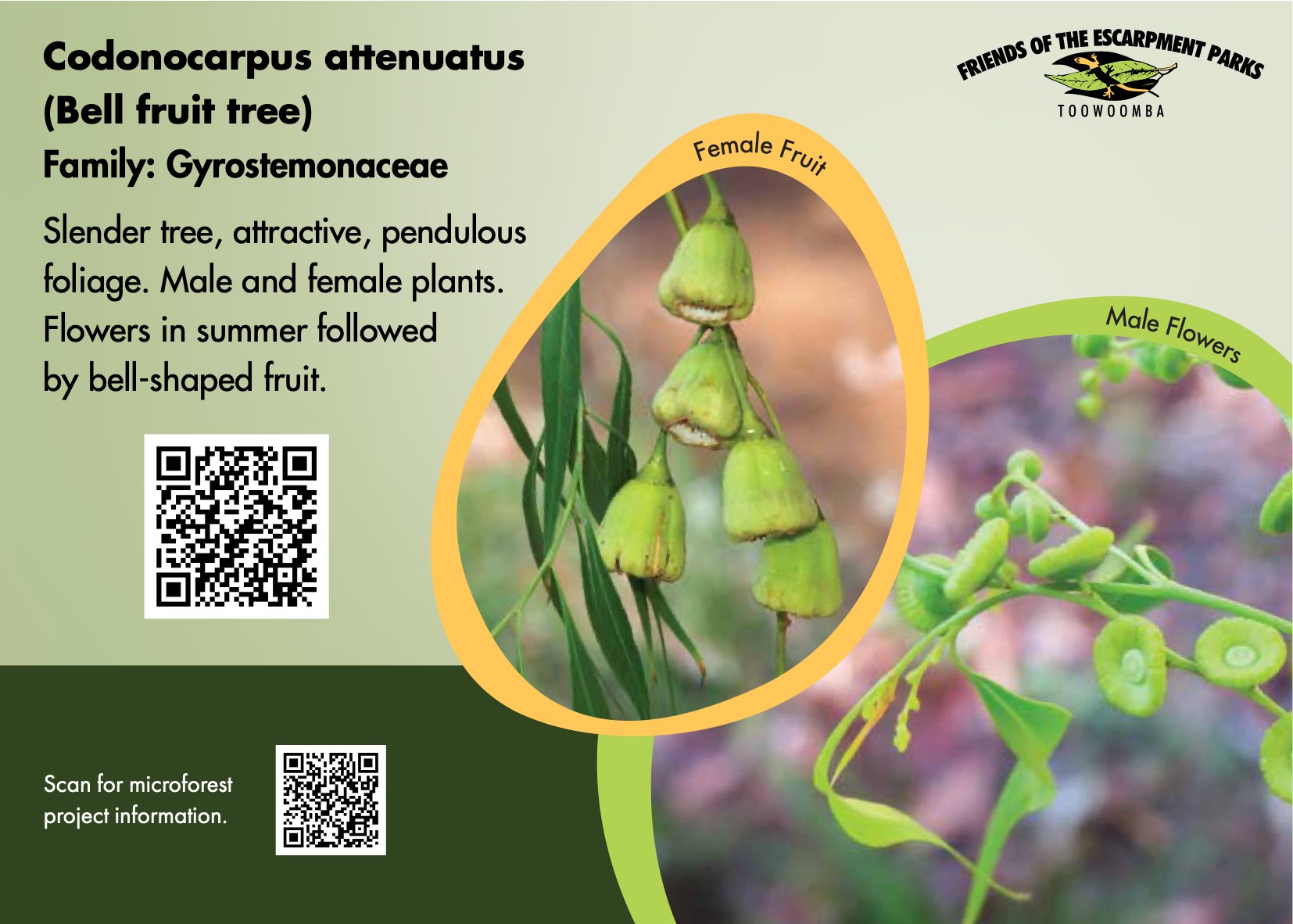
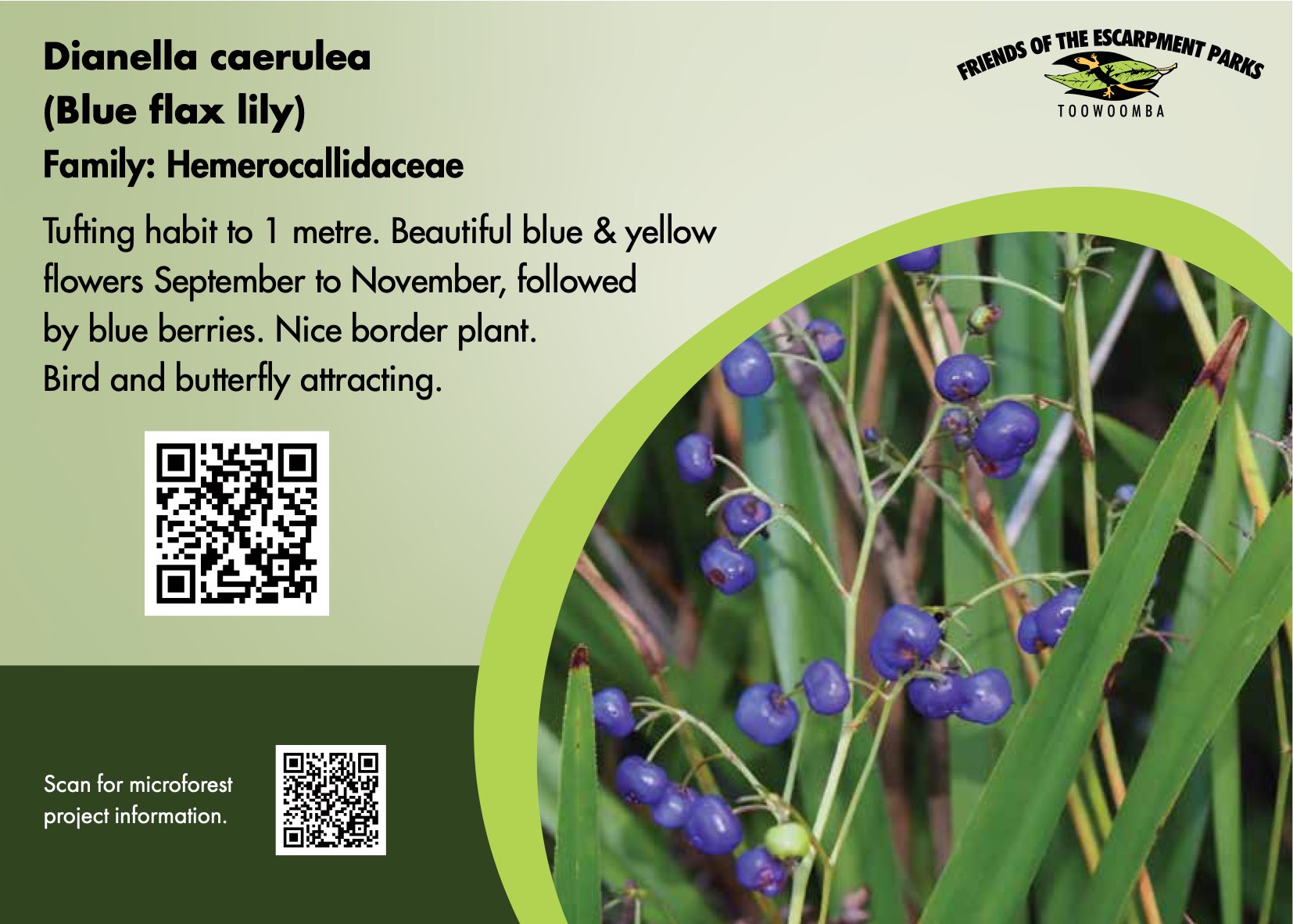
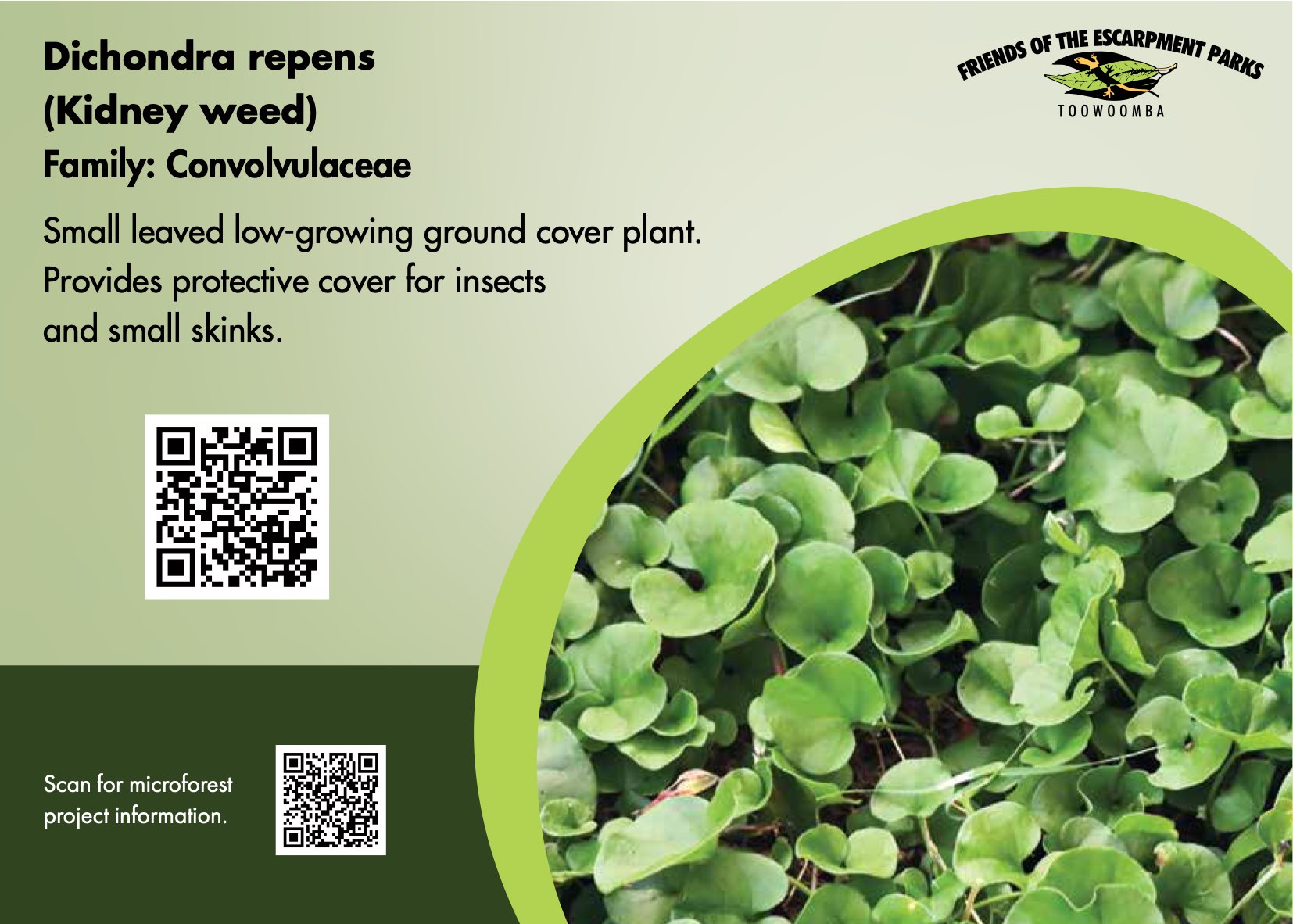
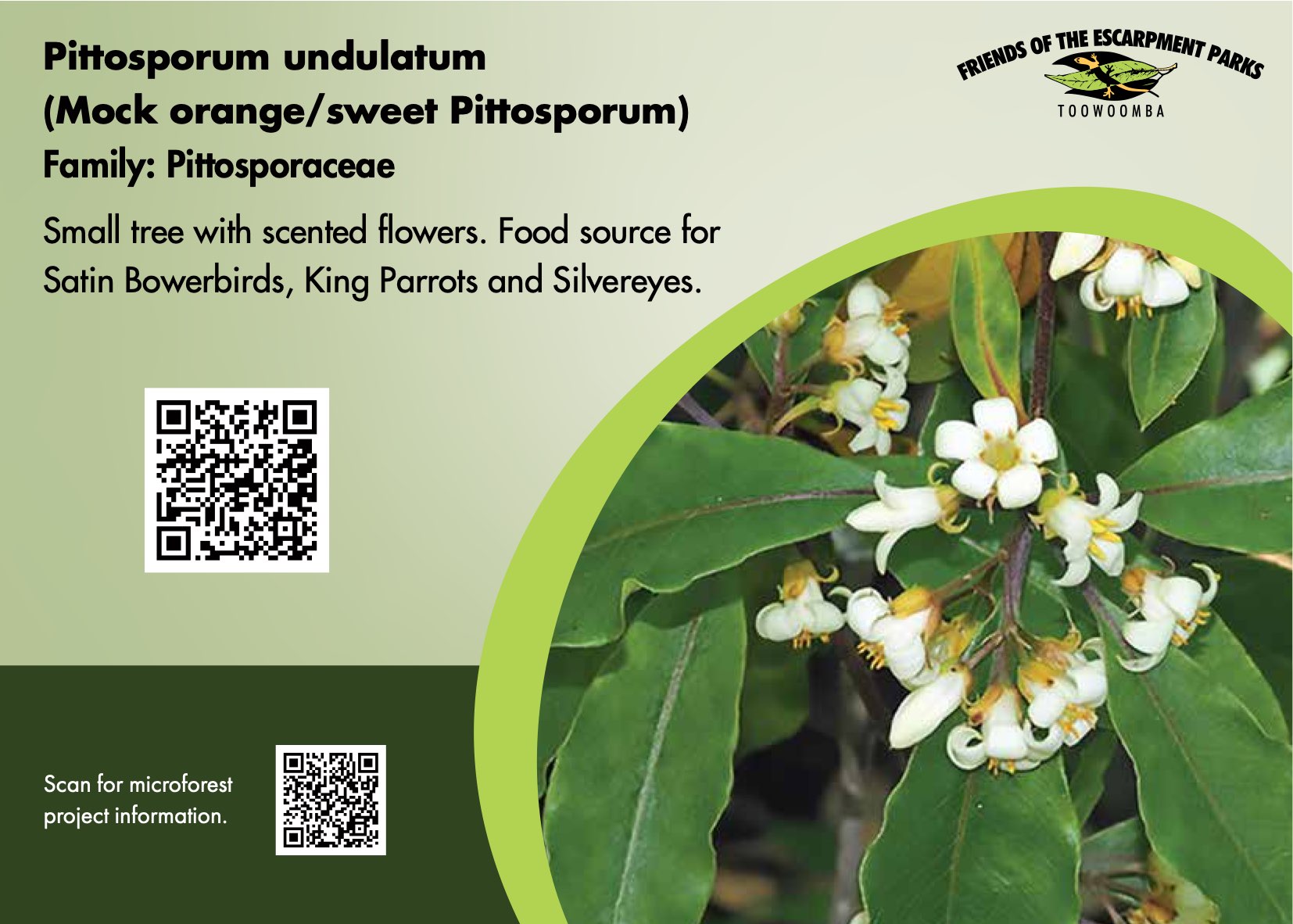
Plants in the microforest can be identified with the aid of our newly installed botanical plant signs. Twelve signs have been installed. Each sign states the Latin and common plant name and some brief information. More detailed information about the plant can be found by following the unique URL that appears as a QR code on each sign. The signs are supplements to the microforest plant list.
Oct 4, 2025
Community Open Day
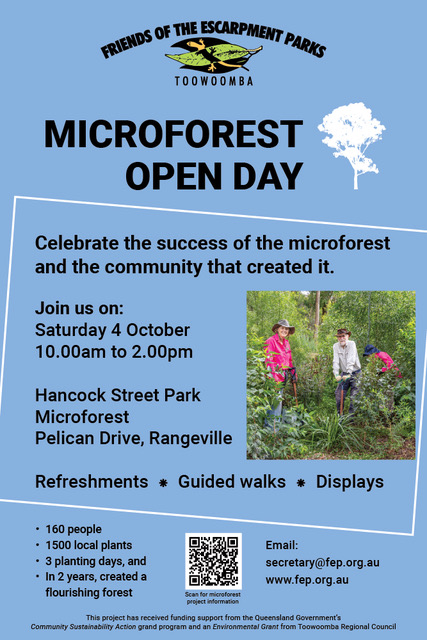
Getting ready with flyers and signage. David Iliffe interviewed Elizabeth Addie about the community day, and this was broadcast on 3 October on ABC Southern Queensland radio.
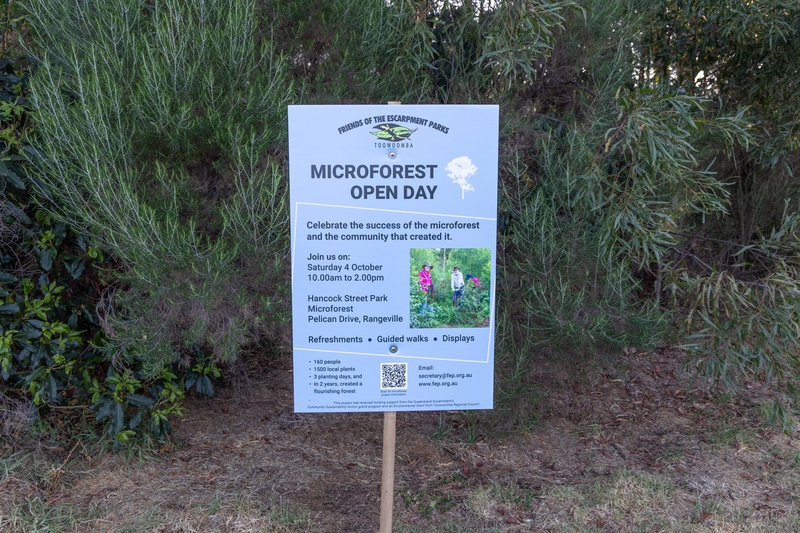
The forest is now thriving.
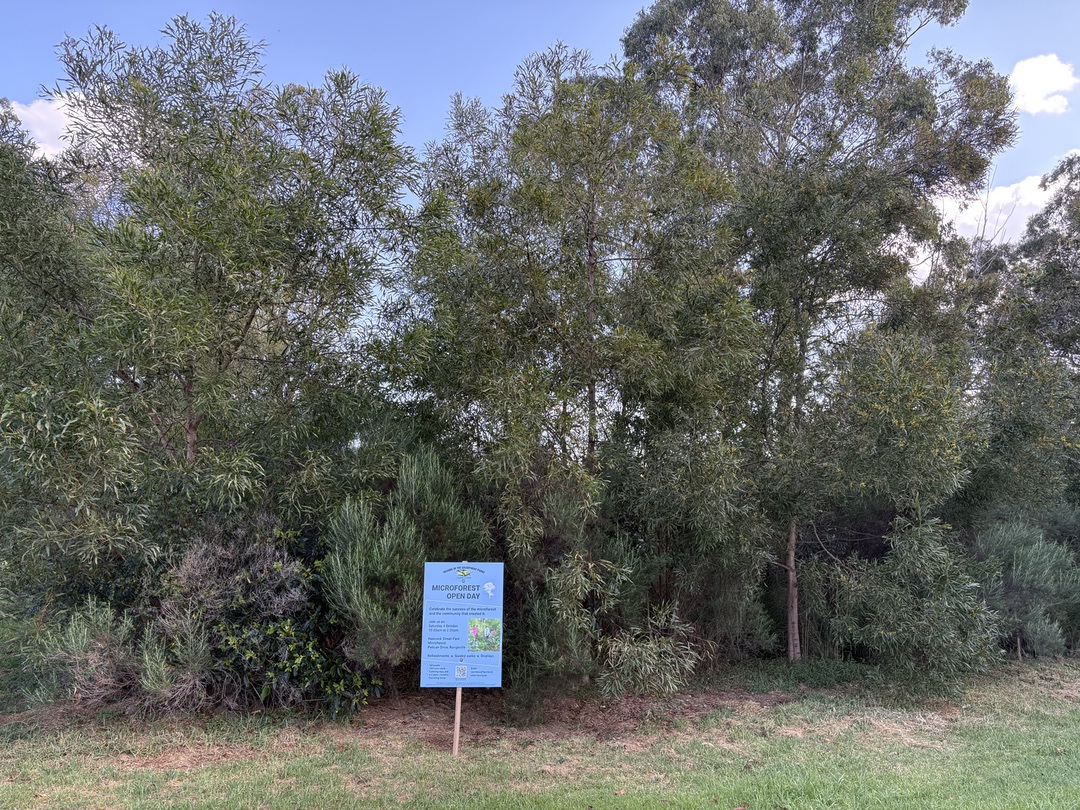
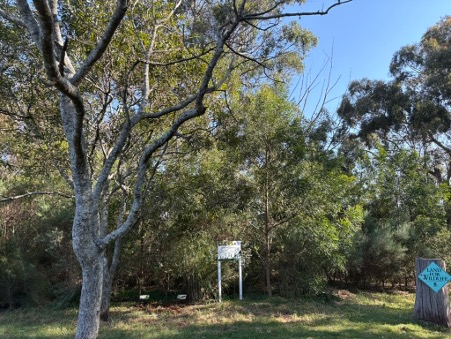
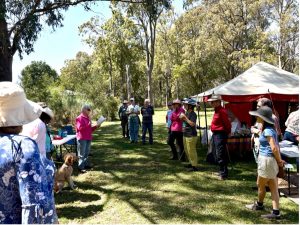
This was our final community day for this microforest project. It was a wonderful day with great attendance (about 60 people) and a very positive atmosphere. Bev Yates, a founding member of the microforest working group, gave an inspirational talk to start the day off.
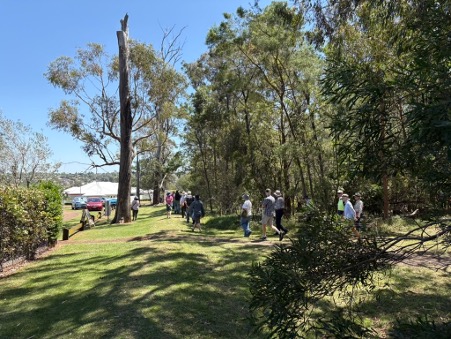
We had two guided walks around the microforest and Hancock St Bushland Park.
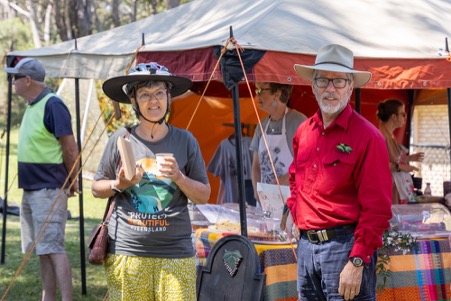
Participants relaxed with tea and cakes, all proceeds going to Koala tree planting and maintenance. Thank you to Jenny and Sandy and their team for providing this.
We had displays showcasing the history of our microforest; fauna found in Hancock St Bushland Park; and weed information. The books Plants of Southeast Toowoomba’s Bushland Parks, and Plants of Charles and Motee Rogers Bushland Reserve Highfields were for sale. And we also gave participants local species of plants for their own gardens to increase habitat creation.
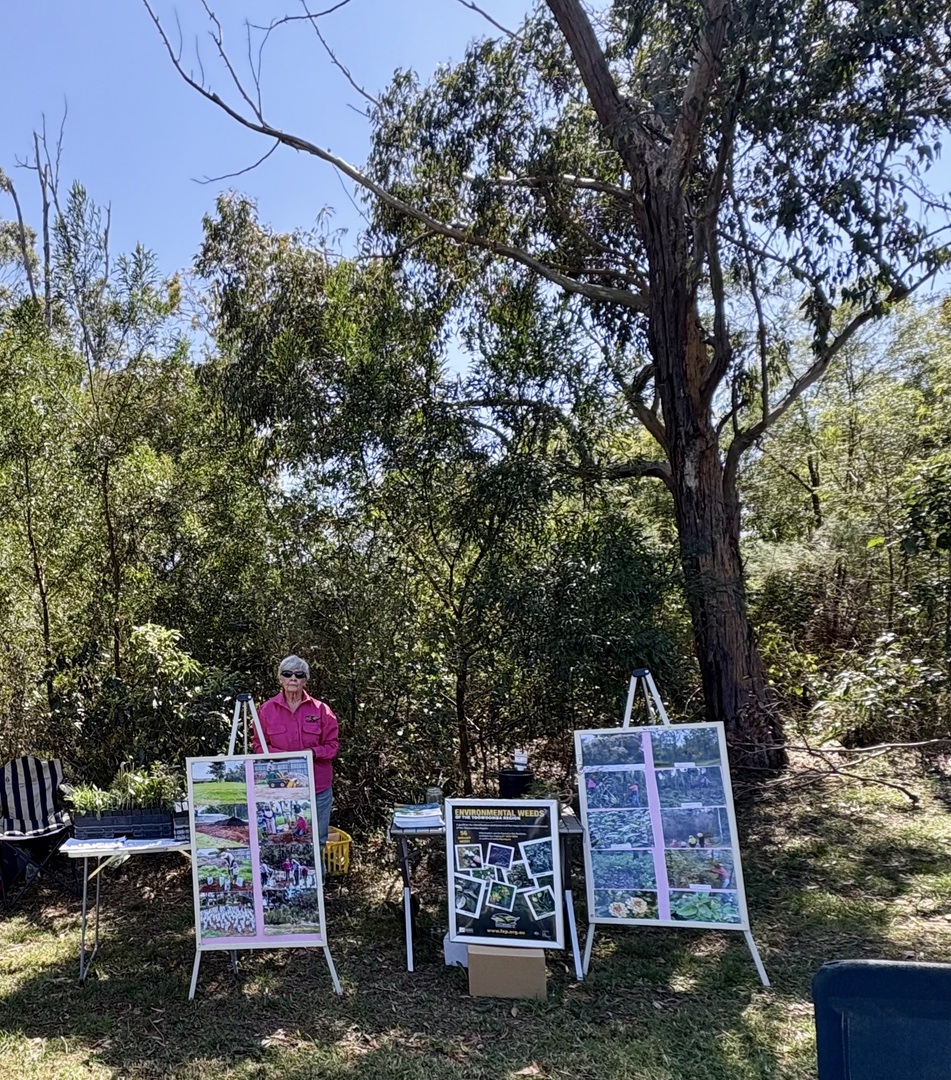
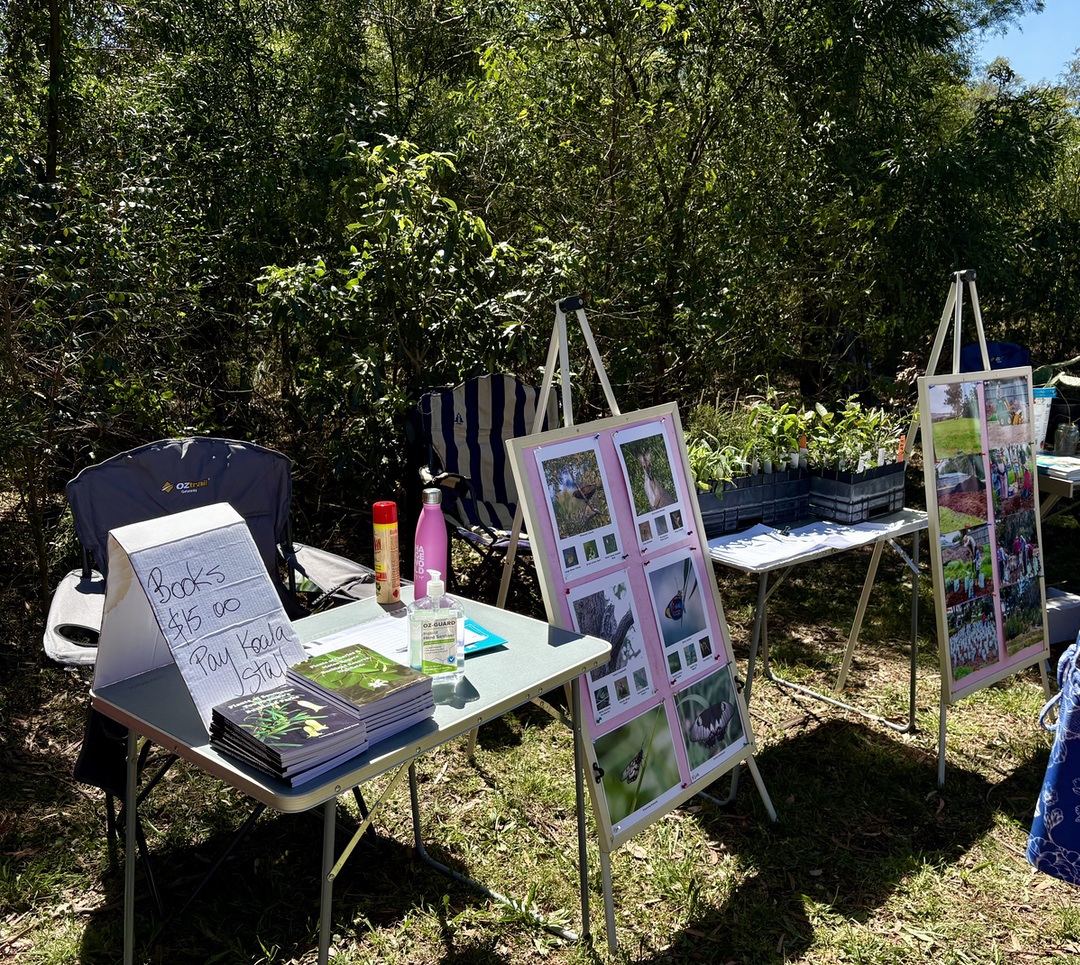
Participants were very interested in how to create a Miyawaki microforest, and we hope to be able to support other groups and in individuals with this. If you are interested in planting a microforest and would like to chat with us about this, please email president@fep.org.au
What is a microforest?
A microforest is a new forest which is created on a site which is bare or where the original ecosystem no longer exists. Revegetating a site as a microforest restores the lost ecosystem and creates habitat for wildlife. The principles of microforest creation were developed by Professor Akira Miyawaki. Thousands of microforests have been created around the world. They can also be called “mini forests” or “pocket forests”.
How do you make a microforest?
Following the correct principles and procedures of microforest creation, a new forest can be established in two to three years. The procedures are:
- Correct plant selection: Tree, shrub, ground cover, creepers and grass species native to the site are chosen.
- Careful soil preparation: A 10cm deep layer of organic matter is cultivated into the soil.
- Dense planting: Plants are spaced at three plants per square metre.
- Mulching: A layer of mulch is applied.
- Protection and care: The plants are protected by plant guards where necessary and the area is watered and weeded as required for the first two years of growth. After this very little maintenance is required.
How can I make a microforest? / How can I be involved?
The Hancock Street Park microforest was established in two and a half years. The first planting took place in April 2023. Now it is a dense forest and wildlife corridor. A home microforest can be as small as twelve square metres. It will provide a pocket habitat and can help with the survival of wildlife species. To find out which species are native to your area, look at local plant guides and lists. For Toowoomba and Highfields these can be found on the plant life page within this site.
Plants can be purchased at local native nurseries. The Crows Nest Community Nursery grows many of the plants in our region, from local seed collected in our region.
If you would like to learn more or participate in bushland park regeneration, please contact secretary@fep.org.au or consult the FEP website.
Be inspired by other Australian microforest makers: Tiny Forest Movement in Western Australia and Microforest Collective.
Microforest Plant Monitoring
Stage 1 Planted 1 April 2023
| Site | 1 | 2 | 3 | 4 | 5 | 6 |
| Plant species | Breynia oblongifolia | Brachychiton populneus | Pittosporum undulatum | Alphitonia excelsa | Cassinia laevis | Acacia nerifolia |
| Mature height (m) | 3 | 2 | 15 | 18 | 2.5 | 15 |
| 29 Apr 2023 | 280 | 100 | 260 | 250 | 150 | 320 |
| 10 Jan 2024 | 1180 | 1270 | 1220 | 1135 | 1600 | 4500 |
| Growth mm/wk | 25 | 32 | 26 | 24 | 40 | 114 |
| Site | 7 | 8 | 9 | 10 | 11 | 12 |
| Plant species | Wikstroema indica | Allocasuarina torulosa | Acacia fimbriata | Corymbia intermedia | Trema tomentosa | Acacia maidenii |
| Mature height (m) | 1.5 | 20 | 5 | 35 | 5 | 15 |
| 29 Apr 2023 | 310 | 500 | 330 | 310 | 220 | 290 |
| 10 Jan 2024 | 945 | 1380 | 2675 | 2055 | 2360 | 1230 |
| Growth mm/wk | 17 | 24 | 64 | 48 | 59 | 26 |
Stage 2 Planted 14 October 2023
| Site | 13 | 14 | 15 | 16 | 17 | 18 |
| Plant species | Breynia oblongifolia | Eucalyptus propinqua | Acacia fimbriata | Clerodendrum tomentosum | Acacia nerifolia | Pittosporum undulatum |
| Mature height (m) | 3 | 40 | 5 | 3 | 15 | 15 |
| 7 Nov 2023 | 80 | 350 | 265 | 85 | 355 | 185 |
| 8 Dec 2023 | 190 | 480 | 325 | 240 | 455 | 235 |
| Growth mm/wk | 25 | 29 | 14 | 35 | 23 | 11 |
| 10 Jan 2024 | 400 | 425 | 515 | 560 | 730 | 395 |
| Growth mm/wk | 45 | -12 | 40 | 68 | 58 | 34 |
| 9 Feb 2024 | 710 | 780 | 565 | 795 | 1220 | 590 |
| Growth mm/wk | 72 | 83 | 12 | 55 | 114 | 45 |
| 10 Mar 2024 | 960 | 940 | 795 | 815 | 1570 | 825 |
| Growth mm/wk | 58 | 37 | 54 | 5 | 82 | 55 |
| 30 Mar 2024 | 890 | 1040 | 1115 | 850 | 1820 | 875 |
| Growth mm/wk | -24 | 35 | 112 | 12 | 87 | 17 |
| 4 May 2024 | 1085 | 1480 | 1215 | 875 | 2030 | 995 |
| Growth mm/wk | 39 | 88 | 20 | 5 | 42 | 24 |
| 13 Jun 2024 | 1050 | 1600 | 1355 | 1090 | 2245 | 1185 |
| Growth mm/wk | -6 | 21 | 25 | 38 | 38 | 33 |
Stage 3 Planted 23 March 2024
| Site | 19 | 20 | 21 | 22 | 23 | 24 | 25 | 26 |
| Plant species | Codonocarpus attenuatus | Trema tomentosa | Allocasuarina torulosa | Acacia maidenii | Breynia elizafolia | Alphitonia excelsa | Brachychiton populneus | Eucalyptus montivega |
| Mature height (m) | 15 | 5 | 20 | 3 | 1 | 18 | 4 | 40 |
| 30 Mar 2024 | 180 | 465 | 400 | 480 | 330 | 380 | 3 | 335 |
| 4 May 2024 | 265 | 630 | 470 | 515 | 330 | 435 | 160 | 410 |
| Growth mm/wk | 17 | 1 | 14 | 7 | 0 | 11 | 23 | 15 |
| 13 Jun 2024 | 395 | 760 | 620 | 650 | 330 | 435 | 230 | 520 |
| Growth mm/wk | 23 | 23 | 26 | 24 | 0 | 0 | 12 | 19 |